
Heart Problems and Their Solutions
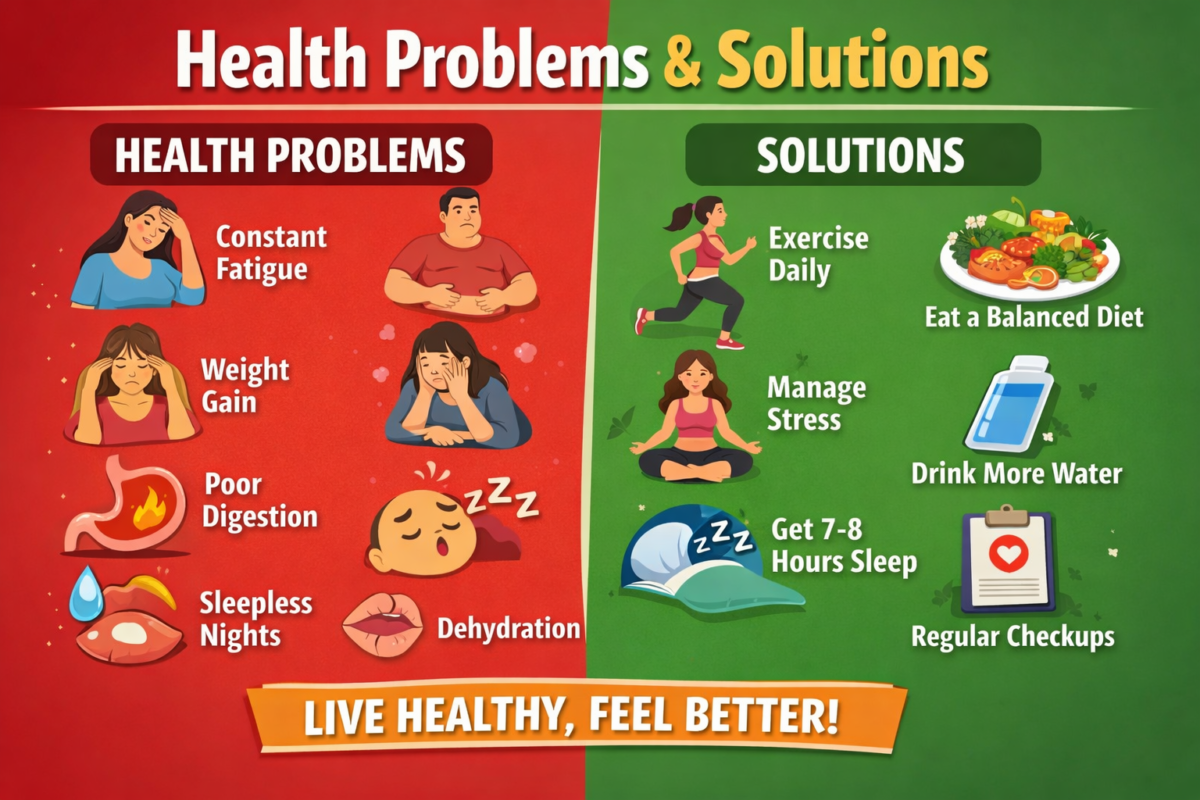
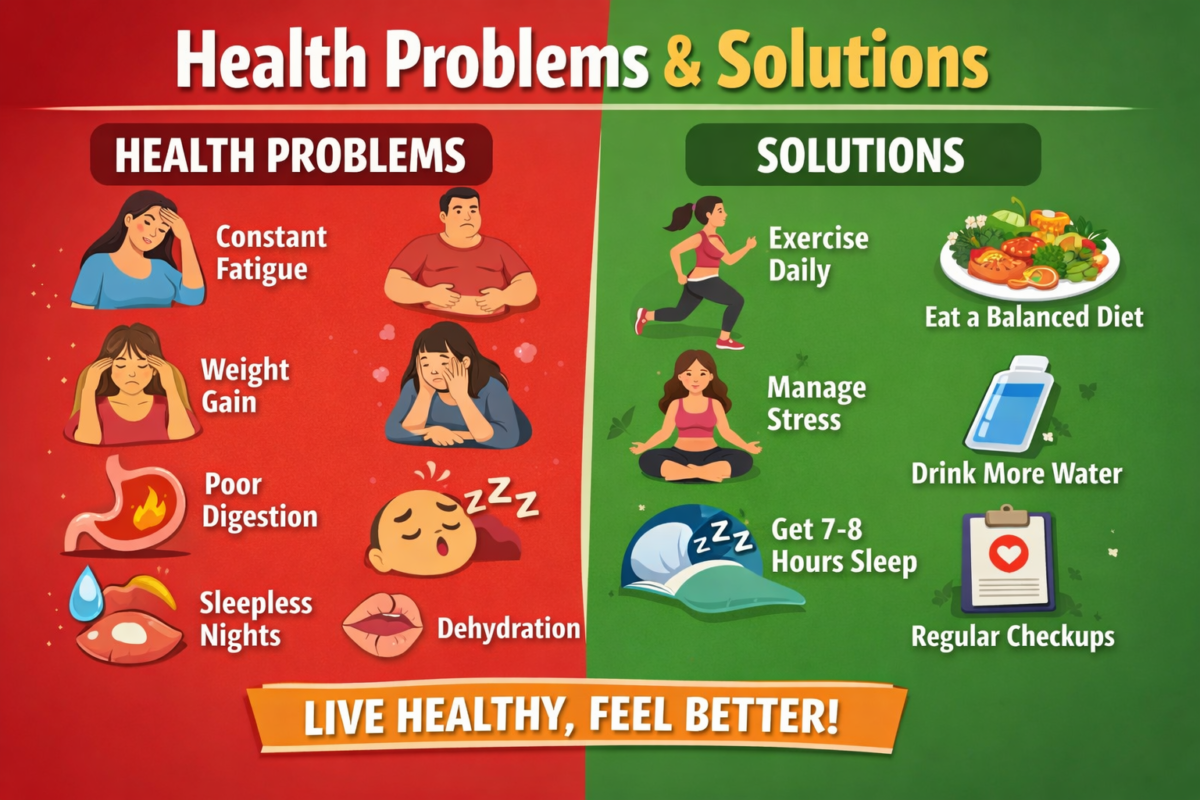
Heart problems and solutions are major health concerns affecting millions of people worldwide.understanding heart problems and can help families improve their lifestyle and prevent serious diseases
Heart disease remains one of the leading causes of death worldwide. With modern lifestyles becoming increasingly sedentary and stress levels rising, heart-related issues are affecting people at younger ages than ever before. Poor diet, lack of exercise, smoking, obesity, diabetes, and high blood pressure all contribute significantly to heart problems. While medical treatment is essential for serious conditions, there are also natural remedies and lifestyle adjustments that can help maintain heart health and reduce risk factors.Focus Keyword doesn’t appear at the beginning of your content.
Heart problems and solutions
Heart Problems and Their Solutions

This article explores common heart problems, their warning signs, and practical home-based solutions that support cardiovascular health.
Heart Problems and Their Solutions
Common Heart Problems
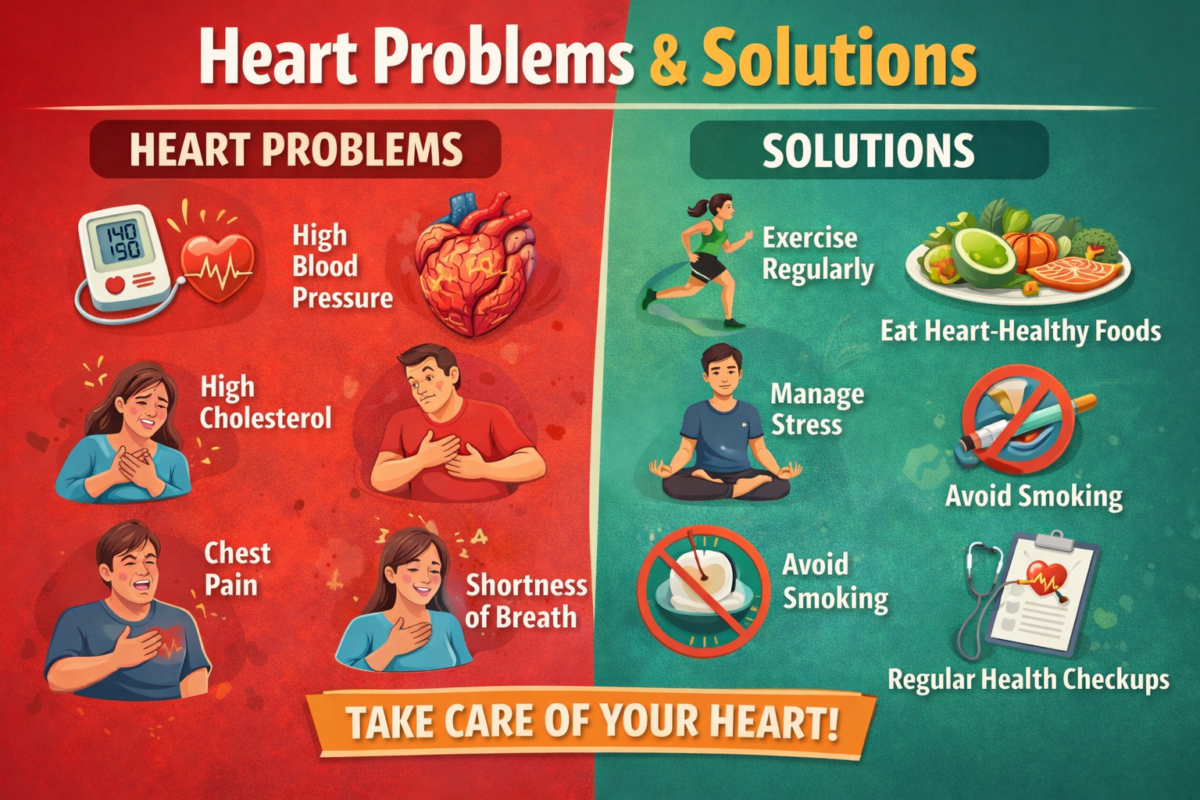
1. High Blood Pressure (Hypertension)
High blood pressure is often called the “silent killer” because it may not show noticeable symptoms until serious damage has occurred. When blood pressure remains high over time, it puts extra strain on the heart and blood vessels, increasing the risk of heart attack and stroke.
Possible symptoms (if present):
- Headaches
- Dizziness
- Blurred vision
- Shortness of breath
Many people do not experience symptoms, which is why regular blood pressure monitoring is crucial.
Heart Problems and Their Solutions
complete Guide to Heart problems and solutions
Cholesterol is a fatty substance found in the blood. While the body needs some cholesterol, excessive levels—especially LDL (bad cholesterol)—can build up in artery walls. This buildup narrows the arteries and reduces blood flow to the heart.
Warning signs may include:
- Chest discomfort
- Shortness of breath
- Fatigue during physical activity
High cholesterol often goes undetected without blood tests, making routine health checkups essential.
Heart Problems and Their Solutions
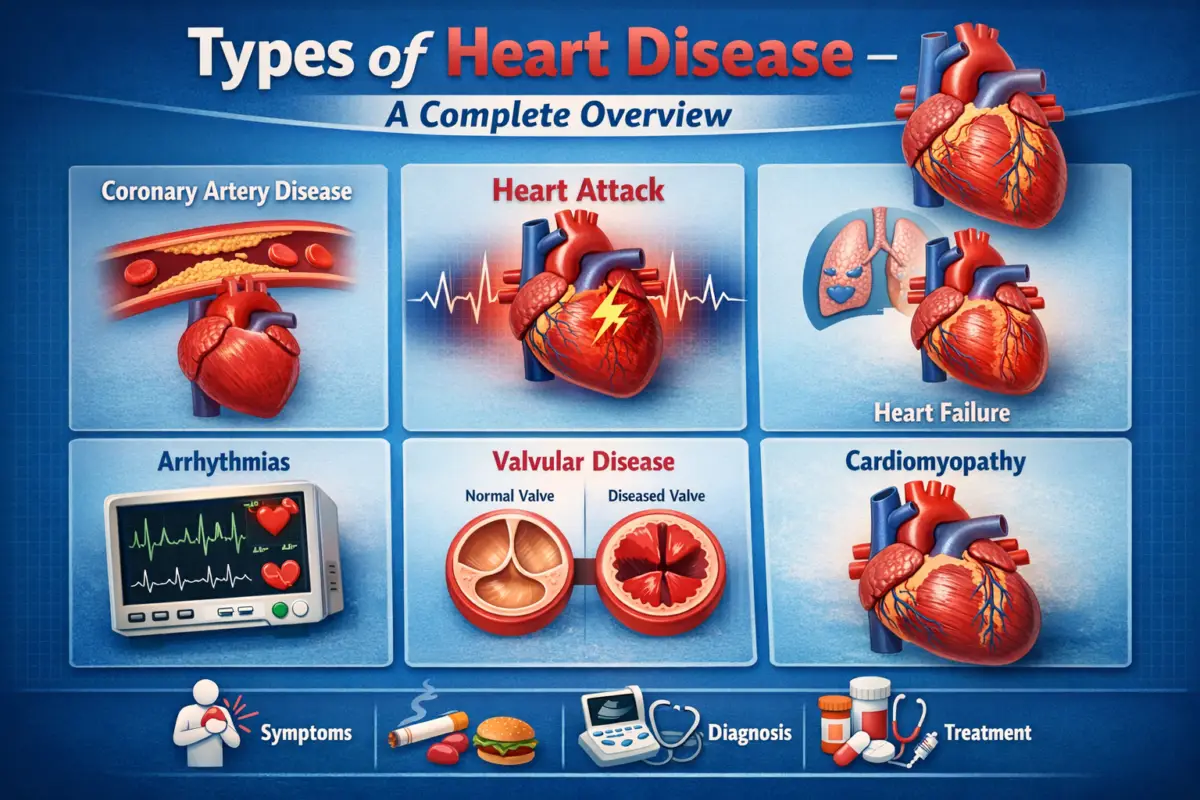
3. Coronary Artery Disease
This condition occurs when arteries supplying blood to the heart become narrowed or blocked due to plaque buildup. It can lead to chest pain (angina) or heart attacks.
Symptoms include:
- Chest pressure or pain
- Pain in arms, neck, jaw, or back
- Shortness of breath
- Weakness

4. Heart Attack
A heart attack occurs when blood flow to a part of the heart is completely blocked. Immediate medical attention is critical.
Common symptoms:
- Intense chest pain or pressure
- Pain spreading to the arm or shoulder
- Sweating
- Nausea
- Difficulty breathing
If these symptoms appear, seek emergency care immediately. Home remedies cannot replace urgent medical treatment.
Heart Problems and Their Solutions
Natural Home Remedies to Support Heart Health
While serious heart conditions require professional medical care, certain natural remedies can help improve overall cardiovascular health when used alongside medical advice.
Heart Problems and Their Solutions
1. Garlic for Cholesterol and Blood Pressure
Garlic has long been recognized for its heart-protective properties. It contains compounds that may help lower blood pressure and reduce cholesterol levels.
How to use:
Consume 1–2 raw garlic cloves in the morning with water. You may also add garlic to meals regularly.
Garlic supplements are available, but consult a healthcare provider before starting any supplement routine.
2. Honey and Warm Water
Honey contains antioxidants that may support heart health by reducing inflammation and improving blood vessel function.
How to use:
Mix one tablespoon of pure honey in a glass of lukewarm water and drink in the morning.
Remember that honey contains sugar, so people with diabetes should consume it cautiously.
3. Green Tea
Green tea is rich in antioxidants known as catechins, which help reduce LDL cholesterol and improve blood vessel function.
How to use:
Drink 1–2 cups of green tea daily without excessive sugar.
Regular consumption may contribute to improved cardiovascular health over time.
Heart Problems and Their Solutions
4. Lemon Water
Lemons are high in vitamin C and antioxidants, which support healthy blood vessels.
How to use:
Squeeze half a lemon into a glass of warm water and drink in the morning.
This simple habit can promote hydration and overall wellness.
5. Oats and High-Fiber Foods
Fiber helps reduce cholesterol levels by binding to cholesterol particles and removing them from the body.
Healthy options include:
- Oatmeal
- Whole grains
- Brown rice
- Beans and lentils
Starting your day with oatmeal is an easy way to support heart health.
6. Nuts and Healthy Fats
Almonds, walnuts, and other nuts contain healthy fats, fiber, and magnesium, all beneficial for heart health.
Recommendation:
Consume a small handful (about 4–5 almonds and 1–2 walnuts) daily.
Avoid salted varieties, as excess sodium increases blood pressure.
Heart Problems and Their Solutions
7. Olive Oil
Olive oil contains monounsaturated fats that help lower bad cholesterol levels.
How to use:
Use extra virgin olive oil in salads or light cooking instead of butter or processed oils.
Essential Lifestyle Changes for a Healthy Heart
Home remedies alone are not enough. Long-term heart health depends on consistent lifestyle improvements.
Heart Problems and Their Solutions
1. Exercise Regularly
Physical activity strengthens the heart muscle and improves circulation.
Recommended activity:
- 30 minutes of brisk walking at least five days a week
- Cycling or swimming
- Light strength training
Even moderate exercise significantly lowers heart disease risk.
Heart Problems and Their Solutions
2. Reduce Salt Intake
High sodium intake contributes to high blood pressure.
Tips:
- Avoid processed and packaged foods
- Limit salty snacks
- Cook meals at home to control salt levels
Aim to consume less than 2,300 mg of sodium daily—or lower if advised by a doctor.
3. Quit Smoking
Smoking damages blood vessels, raises blood pressure, and significantly increases heart attack risk.
Quitting smoking:
- Improves circulation
- Lowers blood pressure
- Reduces heart disease risk within months
Seek professional support if needed.
4. Manage Stress Effectively
Chronic stress increases blood pressure and inflammation.
Stress management techniques:
- Deep breathing exercises
- Meditation
- Prayer or spiritual reflection
- Spending time in nature
- Engaging in hobbies
Even 10–15 minutes of relaxation daily can make a difference.
5. Maintain a Healthy Weight
Excess weight forces the heart to work harder. Losing even 5–10% of body weight can significantly reduce heart disease risk.
Combine:
- Balanced nutrition
- Regular exercise
- Portion control
6. Get Adequate Sleep
Poor sleep increases the risk of high blood pressure and heart disease.
Adults should aim for 7–9 hours of quality sleep per night. Establish a consistent sleep schedule and avoid screens before bedtime.
7. Stay Hydrated
Proper hydration helps maintain blood volume and circulation.
Drink adequate water throughout the day, especially in warm weather or during physical activity.
When to See a Doctor
While natural remedies and healthy habits are beneficial, certain symptoms require immediate medical attention:
- Persistent chest pain
- Severe shortness of breath
- Irregular heartbeat
- Sudden dizziness
- Swelling in legs or ankles
Do not rely on home treatments in emergencies. Early medical intervention can save lives.
Regular health screenings—including blood pressure checks, cholesterol tests, and blood sugar monitoring—are essential for early detection.
Heart Problems and Their Solutions
Prevention Is Better Than Cure
Heart disease often develops gradually. Preventive care is the most effective strategy.
Preventive steps include:
- Annual medical checkups
- Monitoring blood pressure at home
- Maintaining a balanced diet
- Staying physically active
- Managing chronic conditions like diabetes
Small daily choices—such as choosing fruit over processed snacks or taking the stairs instead of the elevator—can lead to significant long-term benefits.
Conclusion
The heart is one of the most vital organs in the body. Protecting it requires conscious effort and consistent habits. While home remedies like garlic, green tea, lemon water, and healthy fats can support heart function, they are most effective when combined with proper medical guidance and lifestyle changes.
Regular exercise, stress management, balanced nutrition, and avoiding harmful habits such as smoking form the foundation of cardiovascular health.
Remember: heart health is not about quick fixes. It is about sustainable, daily practices that strengthen your body over time. By taking proactive steps today, you can significantly reduce your risk of heart disease and enjoy a longer, healthier life.
Your heart works tirelessly for you—take care of it in return. ❤️
About the Author
Muhammad Yaqoob is a passionate health and lifestyle writer dedicated to sharing practical tips for better living. He focuses on creating informative content about heart health, wellness, and preventive care to help readers live healthier lives.
For inquiries or collaborations:
📧 Email: global786affiliate@email.com
🌐 Website: global786trend.com
Disclaimer
This article is intended for educational and informational purposes only. It should not be considered medical advice, diagnosis, or treatment. Always consult a qualified healthcare professional or doctor if you have concerns about heart disease or experience symptoms such as chest pain, shortness of breath, or irregular heartbeat. The information provided here aims to increase awareness but should not replace professional medical guidance.
Thoughts
Heart disease remains one of the most serious health challenges worldwide, but many cases can be prevented through healthy lifestyle choices. Understanding the different types of heart disease helps people recognition symptoms early and seek timely medical care. Regular exercise, a balanced diet, avoiding smoking, and routine health checkups can significantly reduce the risk. Increasing awareness and education about heart health is an important step toward building healthier communities.

Muhammad Yaqoob is the founder of Global786Trend.com and a passionate health and wellness blogger. He writes about weight loss, healthy lifestyle, diet tips, and fitness. His goal is to provide simple, research-based information to help people improve their daily health habits naturally.