Improve Your Mental Health Naturally
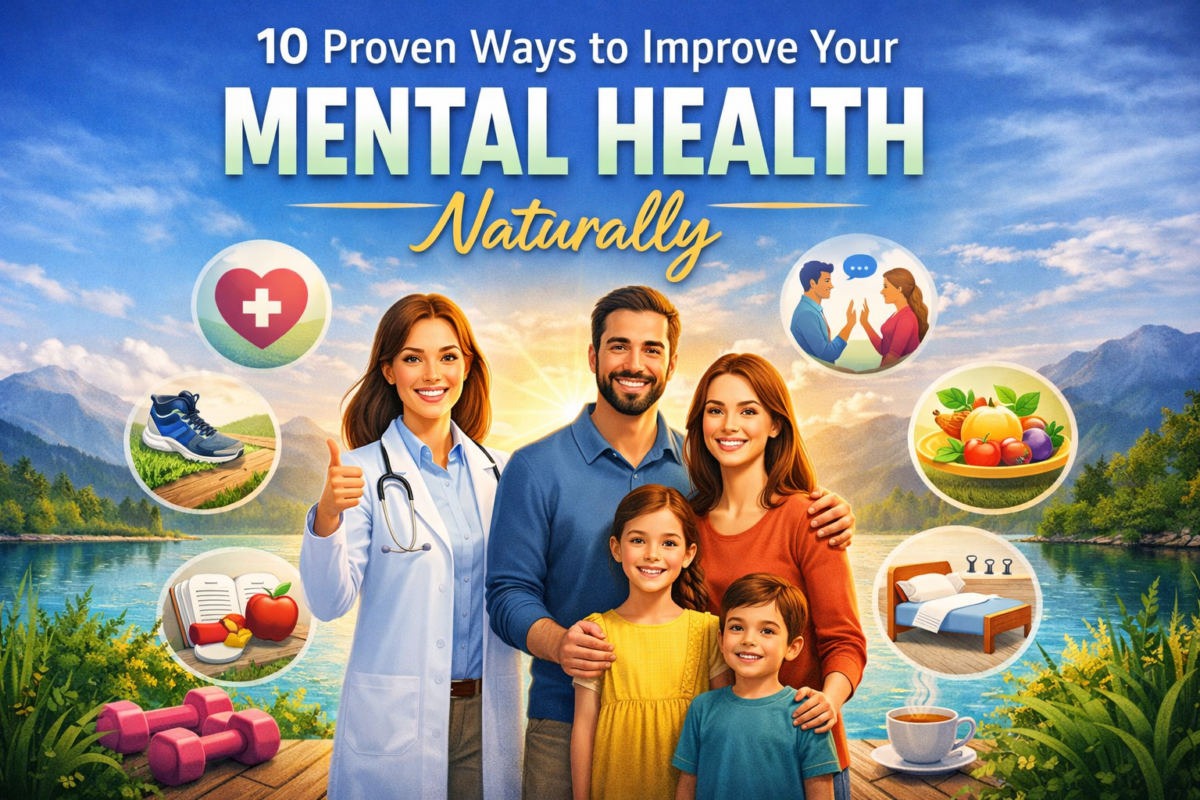
Introduction
Improve Your Mental Health.In today’s fast-moving world, mental health has become one of the most important yet overlooked aspects of our lives. While people often focus on physical fitness, they tend to ignore their emotional and psychological well-being—until stress, anxiety, or burnout begin to take control.
The reality is simple: a healthy mind leads to a healthier, happier life.
With increasing work pressure, digital overload, and constant comparison on social media, mental health challenges are rising globally. According to health experts, millions of people worldwide struggle with stress, anxiety, and depression every day.Improve Your Mental Health Naturally
The good news? You don’t always need expensive treatments or complicated solutions.
There are natural, simple, and effective ways to improve your mental health—starting from your daily habits.
In this article, we’ll explore 10 proven ways to improve your mental health naturally, backed by real-life practices that anyone can follow.
Improve Your Mental Health
1. Start Your Day with a Positive Routine
How you begin your day sets the tone for everything that follows.
Instead of immediately checking your phone or emails, try to create a calm and positive morning routine. This could include:
- Deep breathing
- Light stretching
- Gratitude practice
- Drinking water
Even spending 10–15 minutes focusing on yourself can reduce stress and increase mental clarity.
A peaceful morning helps your brain feel more in control, rather than overwhelmed.
2. Stay Physically Active
Your body and mind are deeply connected.
Regular physical activity doesn’t just improve your fitness—it directly impacts your mental health. Exercise releases endorphins, also known as “feel-good hormones,” which help reduce stress and boost mood.
You don’t need a gym membership. Simple activities like:
- Walking
- Jogging
- Yoga
- Home workouts
can make a huge difference.
Even 20–30 minutes a day can improve your mood, energy levels, and overall mental well-being.
3. Practice Mindfulness and Meditation
One of the most powerful ways to calm your mind is through mindfulness.
Mindfulness means being fully present in the moment, without overthinking the past or worrying about the future.
Meditation helps:
- Reduce anxiety
- Improve focus
- Control negative thoughts
Start with just 5–10 minutes a day. Sit quietly, focus on your breathing, and let your thoughts come and go without reacting.
Over time, you’ll notice a calmer and more balanced mind.
4. Limit Social Media and Screen Time
In the digital age, we are constantly connected—but not always in a healthy way.
Excessive social media use can lead to:
- Comparison
- Low self-esteem
- Anxiety
- Mental exhaustion
People often compare their real lives with others’ “highlight reels,” which creates unrealistic expectations.
Try setting limits:
- Avoid phone use right after waking up
- Take regular digital breaks
- Spend more time offline
Reducing screen time can significantly improve your mental clarity and emotional stability.
Improve Your Mental Health
5. Maintain a Healthy Diet
What you eat affects how you feel.
A balanced diet plays a crucial role in mental health. Foods rich in nutrients support brain function and emotional balance.
Include:
- Fruits and vegetables
- Whole grains
- Protein-rich foods
- Healthy fats
Avoid excessive sugar, processed food, and caffeine, as they can increase anxiety and mood swings.
Remember: a healthy body supports a healthy mind.
6. Get Enough Quality Sleep
Sleep is essential for mental recovery.
Lack of sleep can lead to:
- Irritability
- Poor concentration
- Increased stress
- Emotional imbalance
Adults should aim for 7–9 hours of quality sleep every night.
Tips for better sleep:
- Avoid screens before bedtime
- Maintain a fixed sleep schedule
- Create a calm sleeping environment
Good sleep improves your mood, focus, and overall mental strength.
7. Build Strong Social Connections
Humans are social beings—we need connection.
Spending time with supportive friends and family can:
- Reduce stress
- Improve mood
- Increase feelings of belonging
Even a simple conversation can make a big difference.
If you feel isolated, try:
- Reaching out to a friend
- Joining a community group
- Talking openly about your feelings
Strong relationships act as a powerful support system for mental health.
8. Learn to Manage Stress Effectively
Stress is a part of life—but how you handle it matters.
Instead of avoiding stress, focus on managing it in a healthy way.
Effective stress management techniques include:
- Deep breathing
- Time management
- Taking breaks
- Prioritizing tasks
Don’t try to do everything at once. Break tasks into smaller steps and focus on one thing at a time.
Managing stress helps prevent burnout and keeps your mind balanced.
9. Do Things That Make You Happy
Many people get so busy that they forget to enjoy life.
Doing activities you love is essential for mental health. It helps your mind relax and recharge.
This could include:
- Reading
- Listening to music
- Traveling
- Painting or creative work
Even small moments of joy can improve your emotional well-being.
Make time for yourself—it’s not a luxury, it’s a necessity.
Improve Your Mental Health Naturally

10. Seek Help When Needed
Taking care of your mental health doesn’t mean you have to do everything alone.
If you feel overwhelmed, anxious, or depressed for a long time, don’t hesitate to seek help.
Talking to a:
- Therapist
- Counselor
- Trusted person
can provide clarity and support.
There is no shame in asking for help—it’s a sign of strength, not weakness.
Improve Your Mental Health
The Importance of Self-Awareness in Mental Health
One of the most overlooked yet powerful aspects of improving mental health is self-awareness. Many people go through their daily lives without truly understanding their thoughts, emotions, and triggers. This lack of awareness can lead to stress, frustration, and emotional imbalance over time.
Self-awareness means taking a step back and observing your own feelings without judgement. It helps you recognition what makes you happy, what causes anxiety, and how you react in different situations. When you understand yourself better, you can make healthier decisions for your mind and emotional well-being.
For example, if you notice that certain situations or people increase your stress levels, you can take steps to manage or avoid them. Similarly, if you realize that specific activities—like listening to music, spending time in nature, or talking to a friend—improve your mood, you can make them a regular part of your routine.
Another important part of self-awareness is understanding your limits. Many people try to do too much, which leads to burnout. Learning to say “no” and setting boundaries is essential for protecting your mental health. It’s okay to prioritize yourself and your peace of mind.
Journaling is a simple and effective way to build self-awareness. Writing down your thoughts and feelings every day can help you identify patterns in your emotions. Over time, this practice allows you to better control negative thinking and develop a more positive mindset.
Additionally, self-awareness helps you respond to situations more calmly instead of reacting impulsively. When you become more conscious of your emotions, you gain the ability to pause, think, and choose a healthier response. This can improve your relationships, reduce conflicts, and create a more balanced life.
It’s also important to accept that no one is perfect. Everyone experiences ups and downs. Being self-aware doesn’t mean eliminating negative emotions—it means understanding them and dealing with them in a healthy way.Improve Your Mental Health Naturally
In today’s fast-paced world, taking time to connect with yourself is more important than ever. Even a few minutes of reflection each day can help you stay grounded and emotionally strong.
Ultimately, self-awareness is the foundation of good mental health. The more you understand yourself, the better you can take care of your mind, make positive changes, and live a more peaceful and fulfilling life.
Conclusion
Mental health is not something you fix overnight—it’s something you build every day.
By making small, consistent changes in your lifestyle, you can create a healthier and more balanced mind.
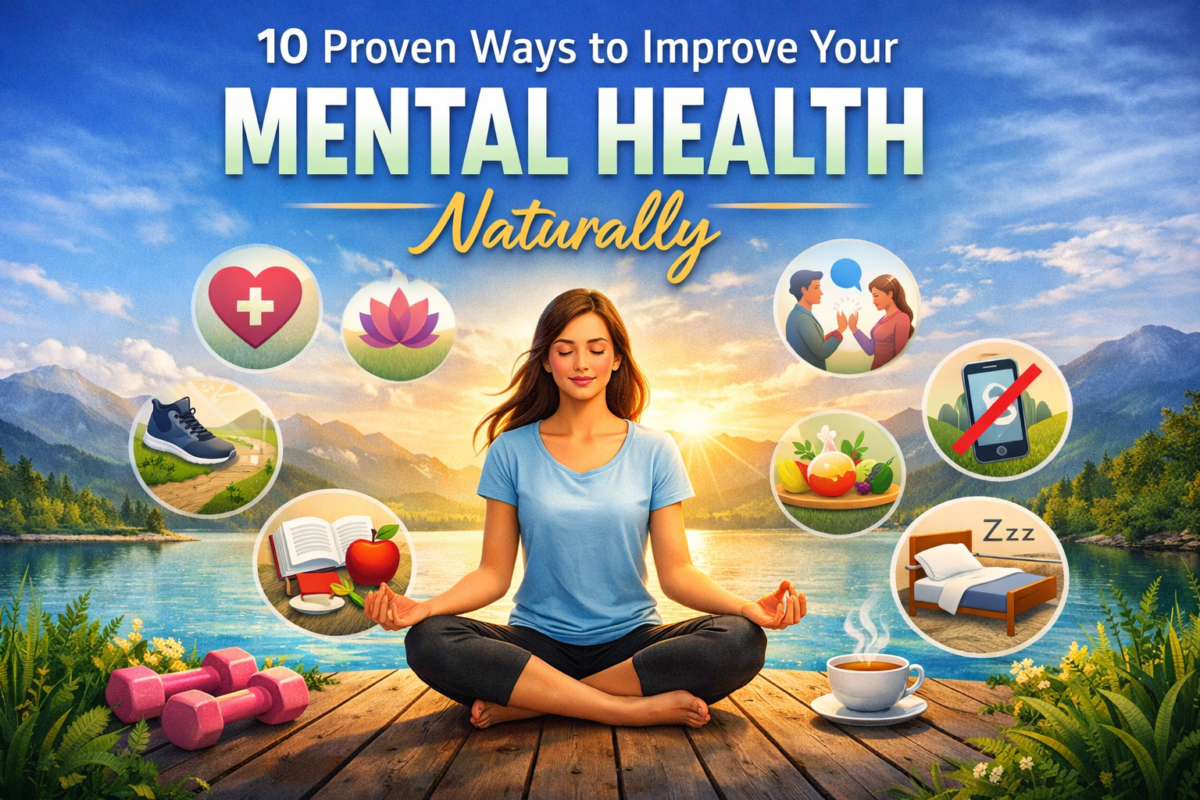
To recap, the 10 proven ways to improve your mental health naturally are:
- Start your day with a positive routine
- Stay physically active
- Practice mindfulness and meditation
- Limit social media and screen time
- Maintain a healthy diet
- Get enough sleep
- Build strong social connections
- Manage stress effectively
- Do things that make you happy
- Seek help when needed
Remember, your mental health matters just as much as your physical health.
Start small. Stay consistent. And most importantly—be kind to yourself.
Improve Your Mental Health
Thought (Motivational Quote)
“Taking care of your mental health is not a luxury — it is a necessity for a happy and successful life.”
Disclaimer
This article is for informational purposes only and is not intended as medical advice. While these tips can help improve mental well-being, they are not a substitute for professional diagnosis or treatment. If you are experiencing severe mental health issues, please consult a qualified healthcare professional or therapist.
Frequently Asked Questions (FAQ)
| Question | Answer |
|---|---|
| What are the best natural ways to improve mental health? | The best natural ways include regular exercise, healthy diet, quality sleep, meditation, and strong social connections. |
| How can I reduce stress quickly? | You can reduce stress by practicing deep breathing, taking short breaks, and focusing on one task at a time. |
| How important is sleep for mental health? | Sleep is very important as it helps your brain recover, improves mood, and reduces anxiety. |
| Can diet affect mental health? | Yes, a healthy diet improves brain function and emotional balance, while junk food can increase stress and mood swings. |
| When should I seek professional help? | If you feel persistent sadness, anxiety, or stress that affects daily life, it’s important to consult a professional. |
| Does social media affect mental health? | Yes, excessive use can lead to anxiety, comparison, and low self-esteem. Limiting usage can help improve mental well-being. |
End of this article Improve Your Mental Health

Muhammad Yaqoob is the founder of Global786Trend.com and a passionate health and wellness blogger. He writes about weight loss, healthy lifestyle, diet tips, and fitness. His goal is to provide simple, research-based information to help people improve their daily health habits naturally.