
Why the Scale Is Sabotaging Your Weight Loss Journey
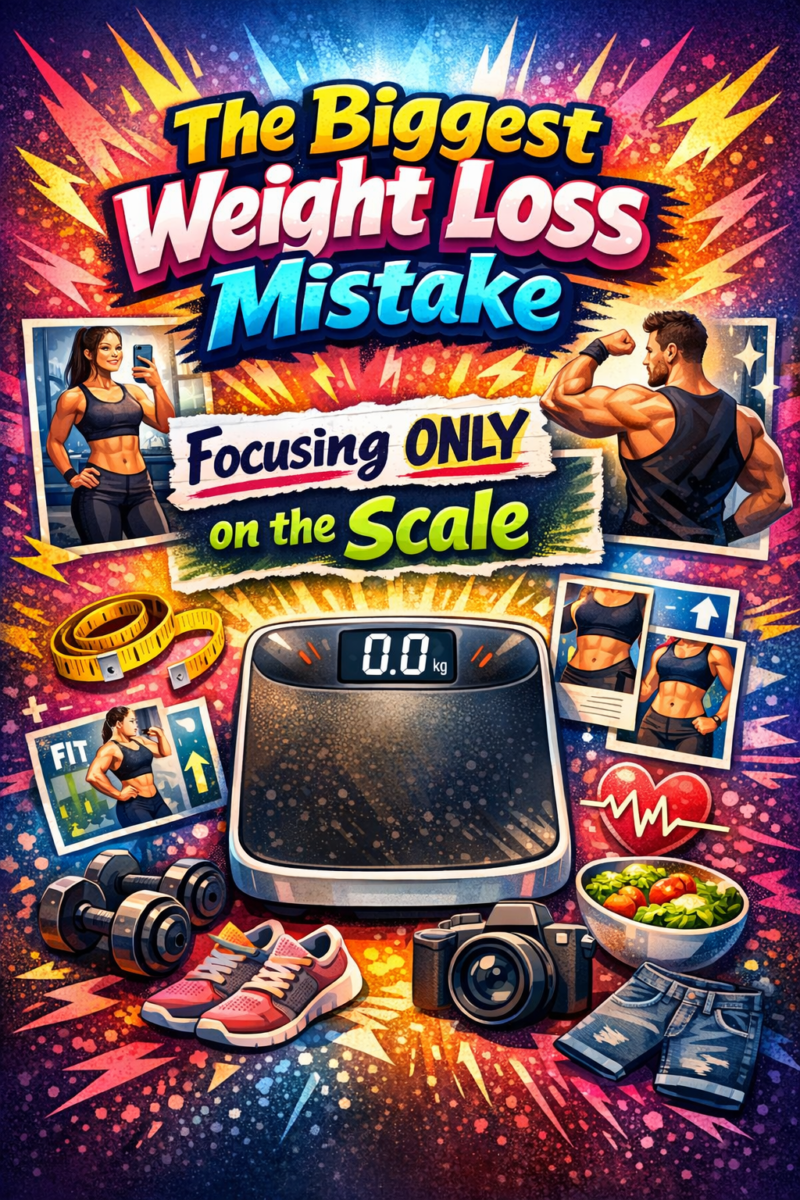
Stop Letting One Number Decide Your Progress
,When most people Weight Loss Journey start trying to lose weight, the first thing they do is buy a scale or start checking it every single day. It feels normal. After all, if you want to lose weight, the number on the scale should go down, right?
Not exactly.
This is where many people go wrong. One of the biggest problems in any fitness journey is depending too much on the scale. It may seem like the easiest way to track results, but in reality, it only tells a very small part of the story. If you let that number control your mood, motivation, and confidence, it can quietly damage your progress.
That is why so many people work hard for weeks, eat better, exercise regularly, and still feel like they are failing. The reason is simple: they are measuring progress the wrong way.
The Scale Does Not Show the Full Picture
Your scale only shows total body weight. It does not tell you how much of that weight is fat, water, muscle, or even food that is still being digested. So when the number changes, it does not always mean you gained fat or lost fat.
Your body weight can go up and down for many reasons, including:
- water retention
- stress
- poor sleep
- hormones
- a salty meal
- digestive changes
- muscle soreness after exercise
That means you can be doing everything right and still see a number on the scale that makes no sense. This is why focusing only on body weight can be frustrating and misleading.
A lot of people assume that if the scale is not moving, nothing is happening. But that is simply not true.
You Might Be Making Progress Without Realising It
Weight Loss Journey One of the most common mistakes in a weight loss journey is expecting instant proof. People want to see fast results, and they want the scale to confirm that their hard work is paying off. But real progress often happens in ways that the scale cannot measure.
For example, you may be:
- losing body fat
- building lean muscle
- feeling stronger
- sleeping better
- having more energy
- fitting into old clothes again
- feeling less bloated
- gaining confidence
All of these are real signs of improvement. In many cases, they matter even more than the number on the scale.
If you are strength training and eating more protein, your body composition may be improving even if your weight stays similar. You may look leaner, feel better, and become healthier overall. But if you only look at the scale, you may miss all of that progress.
Why Daily Weigh-Ins Can Hurt Motivation
There is nothing wrong with using a scale. The problem starts when it becomes the only thing you trust.
Many people weigh themselves every morning and let that one number decide how they feel for the rest of the day. If the weight is lower, they feel happy and motivated. If it is higher, they feel disappointed, guilty, or discouraged.
This emotional connection to the scale is unhealthy. It creates stress and often leads to poor decisions. Some people start eating less than they should. Others do extra cardio out of panic. Some feel so frustrated that they end up giving up completely.
That is how progress gets ruined.
A single weigh-in should not have the power to change your entire mindset. Your body does not lose fat in a straight line. Weight naturally fluctuates, and that is completely normal.
Social Media Has Made This Worse
Modern weight loss culture has made people even more obsessed with the scale. Everywhere you look, there are transformation photos, before-and-after videos, and promises of quick results. People are constantly comparing themselves to edited bodies, unrealistic timelines, and viral trends.
This creates pressure to lose weight fast instead of losing it in a healthy and sustainable way.
The truth is that real fat loss is usually slower than people expect. It often looks simple and boring from the outside. It is built through small habits repeated consistently over time, such as:
- eating enough protein
- walking daily
- sleeping better
- doing regular workouts
- drinking enough water
- managing cravings
- staying patient
These habits may not always lead to dramatic scale drops overnight, but they are what create long-term success.
The Scale Cannot Measure Body Recomposition
One of the biggest reasons people get confused is because they do not understand body recomposition.
Body recomposition means losing fat while gaining or maintaining muscle. This is especially common when someone starts resistance training, improves their diet, or increases protein intake. In these cases, the scale may not move much, but the body can still be changing in a very positive way.
This is why someone can look slimmer, feel stronger, and fit into smaller clothes even if their body weight stays nearly the same.
If you ignore these changes just because the scale is not showing dramatic movement, you may quit a plan that is actually working.
Losing Weight Too Fast Is Not Always a Good Sign
A lower number on the scale is not always something to celebrate.
If weight loss is happening too quickly, it can sometimes mean muscle loss, dehydration, or extreme calorie restriction. Many people focus so much on getting lighter that they forget the real goal should be becoming healthier, stronger, and more balanced.
Fast results often come with a price. You may feel tired, weak, irritable, or constantly hungry. And once the diet becomes too hard to maintain, the weight usually comes back.
That is why slow, sustainable progress is often the smarter path. It gives your body time to adjust, helps protect muscle mass, and makes it easier to maintain results long term.
Better Ways to Track Weight Loss Progress
If the scale is not enough, then what should you use instead?
The best approach is to track progress in multiple ways. That gives you a more realistic and complete view of what is happening in your body.
Here are better ways to measure your progress:
1. Progress Photos
Take photos every few weeks in the same lighting and clothes. Visual changes are often easier to notice in pictures than in the mirror.
2. Body Measurements
Track your waist, hips, thighs, arms, and other areas. Inches lost can reveal fat loss even when scale weight stays the same.
3. Clothing Fit
If your clothes are fitting better, that is a major sign that your body is changing.
4. Strength and Fitness
Notice whether you can lift more, walk longer, or recover faster. Better performance is real progress.
5. Energy and Mood
Feeling more active, lighter, and mentally better is part of healthy weight loss too.
6. Consistency
Sometimes the biggest win is simply sticking to healthy habits for longer than before.
These markers matter because they show how your life and body are improving as a whole.
Why Muscle Matters More Than Most People Think
A lot of people focus only on losing weight, but they forget that muscle plays a major role in how the body looks and functions.
Muscle supports strength, metabolism, posture, and long-term fat loss. If you lose muscle along with fat, your body may become weaker and less toned, even if the scale goes down. That is why the goal should not just be to weigh less. The goal should be to feel better and build a healthier body.
This is one reason why strength training and protein intake are now trending in the fitness world. More people are realizing that preserving muscle is just as important as reducing body fat.
How Often Should You Weigh Yourself?
There is no single rule for everyone.
Some people do well with daily weigh-ins because they understand normal fluctuations and focus on weekly averages. Others become stressed and obsessive when they check too often. For those people, weighing once a week may be a much better option.
The key question is not how often you weigh yourself. The real question is this:
Are you using the scale as a tool, or are you letting it control you?
If the number affects your confidence, mood, and food choices too much, it may be time to step back and change your approach.
What Real Weight Loss Progress Looks Like
Real progress does not always show up as a dramatic drop on the scale. Sometimes it looks like:
- fewer cravings
- better portion control
- more strength in workouts
- healthier eating habits
- improved sleep
- reduced bloating
- better endurance
- more self-discipline
- more confidence in your body
These changes are meaningful. They show that your lifestyle is improving, and that matters much more than a random number on a machine.
How to Stop Obsessing Over the Scale
If you want to build a healthier relationship with weight loss, start by changing the way you think about progress.
Instead of asking yourself, “Did I lose weight today?” ask better questions like:
- Did I stay consistent this week?
- Did I move my body regularly?
- Did I eat in a way that supports my goals?
- Did I get enough protein and water?
- Did I manage stress better?
- Am I feeling stronger and healthier?
These questions help you focus on habits instead of panic. And habits are what create real transformation.
You do not need daily validation from the scale. You need patience, consistency, and a better way of measuring success.
Final Thoughts
The scale is not useless, but it is limited. It can be one helpful tool in your journey, but it should never be the only tool. If you rely on it too much, it can destroy motivation, create unnecessary stress, and make you ignore the progress that actually matters.
Weight loss is about more than becoming lighter. It is about building a healthier lifestyle, improving your relationship with food, becoming stronger, and feeling better in your own body.
So if the number on the scale has been making you feel like you are failing, take a step back. Look at the bigger picture. Notice your habits, your energy, your strength, your confidence, and your consistency.
That is where real progress lives.
And once you understand that, the scale stops sabotaging your journey.
Thought
Real weight loss is not about chasing a number on the scale. It is about building healthier habits, improving body composition, feeling stronger, and staying consistent. The scale can be useful, but it should never be the only measure of progress.
Disclaimer
This article is for informational and educational purposes only. It is not intended as medical advice, diagnosis, or treatment. Weight loss results may vary from person to person depending on body type, lifestyle, medical condition, and diet. Always consult a qualified doctor, nutritionist, or healthcare professional before starting any weight loss plan, diet, supplement, or exercise program.
Q&A Table for Blog
| Question | Answer |
|---|---|
| Why is the scale not the best way to track weight loss? | The scale only shows total body weight. It does not tell you how much fat, muscle, or water your body is holding. |
| Can I lose fat without seeing a big change on the scale? | Yes. You may lose fat and gain muscle at the same time, which can keep your weight similar while your body looks leaner. |
| Why does my weight change every day? | Daily weight changes can happen because of water retention, hormones, stress, sleep, salt intake, and digestion. |
| Is weighing yourself every day bad? | Not always. For some people it works fine, but for others it creates stress and obsession. Weekly tracking may be better for them. |
| What should I track besides the scale? | You can track body measurements, progress photos, clothing fit, energy levels, strength, and consistency. |
| Can strength training affect scale weight? | Yes. Strength training can help build muscle, and muscle gain may slow visible scale changes even when fat loss is happening. |
| What is body recomposition? | Body recomposition means losing fat while gaining or maintaining muscle at the same time. |
| Why do I look slimmer but weigh the same? | This often happens when you lose fat and improve muscle tone, which changes your body shape without a major drop in weight. |
| Is fast weight loss better? | Not always. Fast weight loss can sometimes lead to muscle loss, weakness, and unsustainable habits. |
| What is the healthiest way to measure progress? | The healthiest way is to use multiple signs of progress instead of depending only on the scale. |
Disclaimer
This article is for informational purposes only and does not replace medical or professional health advice.

Muhammad Yaqoob is the founder of Global786Trend.com and a passionate health and wellness blogger. He writes about weight loss, healthy lifestyle, diet tips, and fitness. His goal is to provide simple, research-based information to help people improve their daily health habits naturally.