Introduction
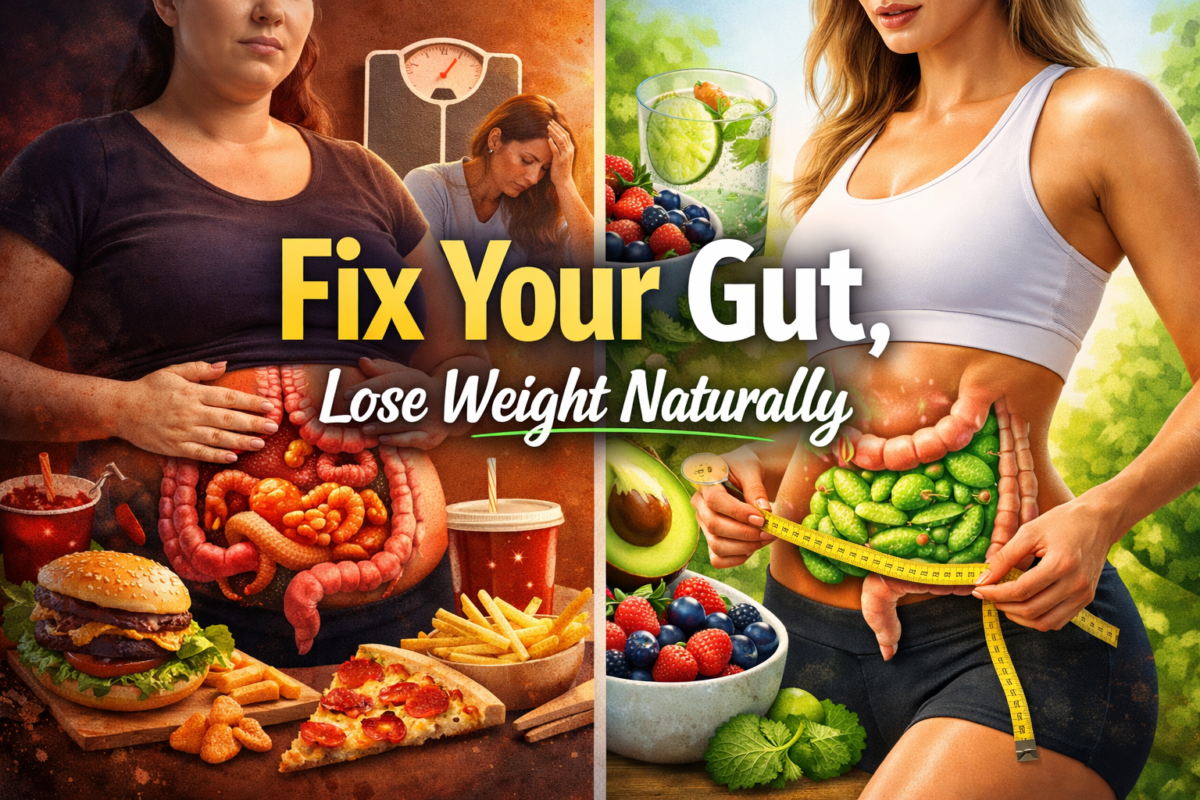
Gut Health and Weight Loss Weight loss has traditionally been associated with calorie counting, strict dieting, and intense workouts. However, modern health research in 2026 highlights a powerful and often overlooked factor in sustainable fat loss: gut health. Your digestive system does far more than break down food — it directly influences metabolism, hunger hormones, inflammation levels, and even fat storage.
If you have been eating less, exercising regularly, and still struggling to lose weight, your gut may be the missing piece of the puzzle.
In this comprehensive guide, we will explore the science-backed connection between gut health and weight loss, practical steps to improve your microbiome, and how optimizing digestion can naturally support long-term fat loss.
What Is Gut Health?
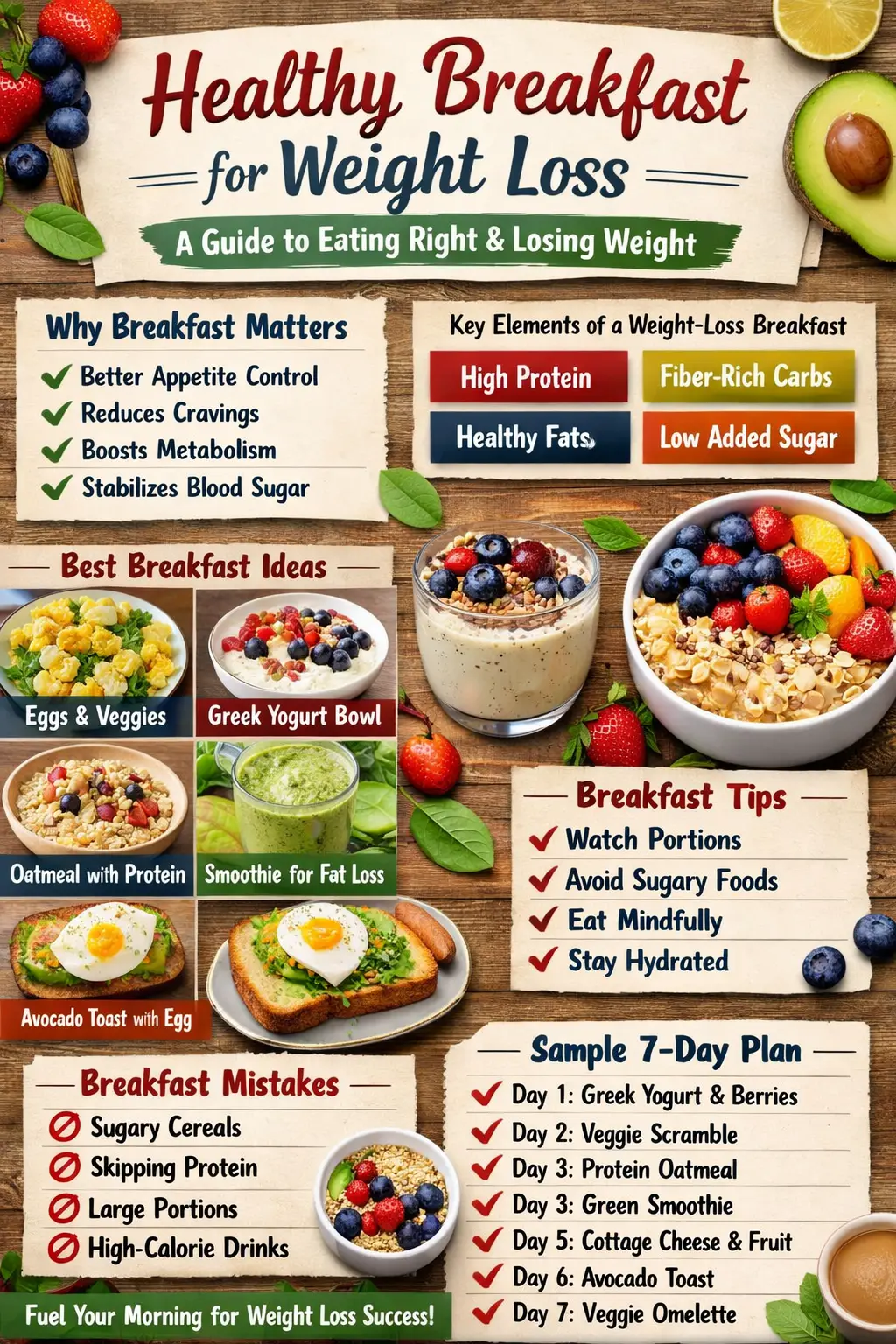
Gut Health and Weight Loss
Gut health refers to the balance and function of microorganisms living in your digestive tract. Trillions of bacteria, fungi, and other microbes reside in your intestines. Together, they form what is called the gut microbiome.
There are two main types of bacteria in your gut:
- Beneficial (good) bacteria
- Harmful (bad) bacteria
When good bacteria dominate, your body functions efficiently. When harmful bacteria overgrow, it can lead to digestive problems, weight gain, inflammation, and metabolic disorders.
A healthy gut supports:
- Efficient digestion
- Strong immune function
- Hormonal balance
- Better nutrient absorption
- Reduced inflammation
An unhealthy gut may cause:
- Bloating and constipation
- Sugar cravings
- Slow metabolism
- Fat accumulation
- Chronic fatigue
Gut Health and Weight Loss
WHO.intThe Science Behind Gut Health and Weight Loss
Recent studies show that individuals with obesity often have a different gut bacteria composition compared to lean individuals. The diversity and balance of microbes play a key role in how your body stores fat and processes calories.
Let’s explore how gut health directly impacts weight management.
1. Gut Bacteria Influence Calorie Extraction
Not all bodies process food the same way. Some gut bacteria are highly efficient at extracting calories from food. If your microbiome contains more of these bacteria, your body may absorb more calories from the same meal compared to someone else.
This means:
Two people can eat identical meals — one gains weight, the other does not — because of differences in gut bacteria.
Improving gut diversity may reduce excessive calorie extraction and support balanced weight control.
2. Gut Health Controls Hunger Hormones
Your gut communicates directly with your brain through what is known as the gut-brain axis. It regulates hunger hormones such as:
- Ghrelin (hunger hormone)
- Leptin (fullness hormone)
An unhealthy gut can disrupt these hormones, leading to:
- Constant hunger
- Late-night cravings
- Emotional eating
- Difficulty feeling full
A balanced microbiome improves hormone signaling, helping you naturally reduce overeating without extreme dieting.
3. Inflammation and Fat Storage
Chronic low-grade inflammation is a major cause of stubborn fat gain, especially around the belly.
An unhealthy gut lining can become “leaky,” allowing toxins and harmful particles to enter the bloodstream. This condition, often referred to as leaky gut, triggers inflammation.
Inflammation:
- Slows metabolism
- Increases insulin resistance
- Promotes fat storage
- Makes weight loss more difficult
Improving gut health reduces inflammation, allowing your metabolism to function efficiently.
4. Insulin Sensitivity and Blood Sugar Control
Gut bacteria influence how your body responds to sugar. When your microbiome is balanced:
- Blood sugar remains stable
- Insulin works effectively
- Fat storage decreases
However, poor gut health may cause insulin resistance, increasing fat storage and sugar cravings.
By strengthening gut health, you improve glucose metabolism and support natural fat burning.
5. Cravings and Emotional Eating
Have you ever wondered why sugar cravings feel uncontrollable?
Certain harmful gut bacteria feed on sugar. The more sugar you consume, the more these bacteria multiply. They can influence your brain signals, increasing cravings.
When you improve gut health:
- Sugar cravings reduce naturally
- Appetite stabilizes
- Emotional eating decreases
This makes weight loss more sustainable without relying on strict willpower.
Signs Your Gut May Be Affecting Your Weight
You may have gut-related weight issues if you experience:
- Persistent bloating
- Constipation or irregular digestion
- Strong sugar cravings
- Brain fog
- Fatigue after meals
- Difficulty losing belly fat
If these symptoms are present, focusing on gut repair may significantly improve your weight loss results.
How to Improve Gut Health for Natural Weight Loss
Now that we understand the connection, let’s discuss practical, science-supported strategies to optimize your gut.
1. Increase Probiotic-Rich Foods
Probiotics are beneficial bacteria that improve microbiome balance.
Natural probiotic sources include:
- Yogurt with live cultures
- Kefir
- Sauerkraut
- Kimchi
- Fermented pickles
Adding these foods daily can restore healthy bacteria levels.
Gut Health and Weight Loss
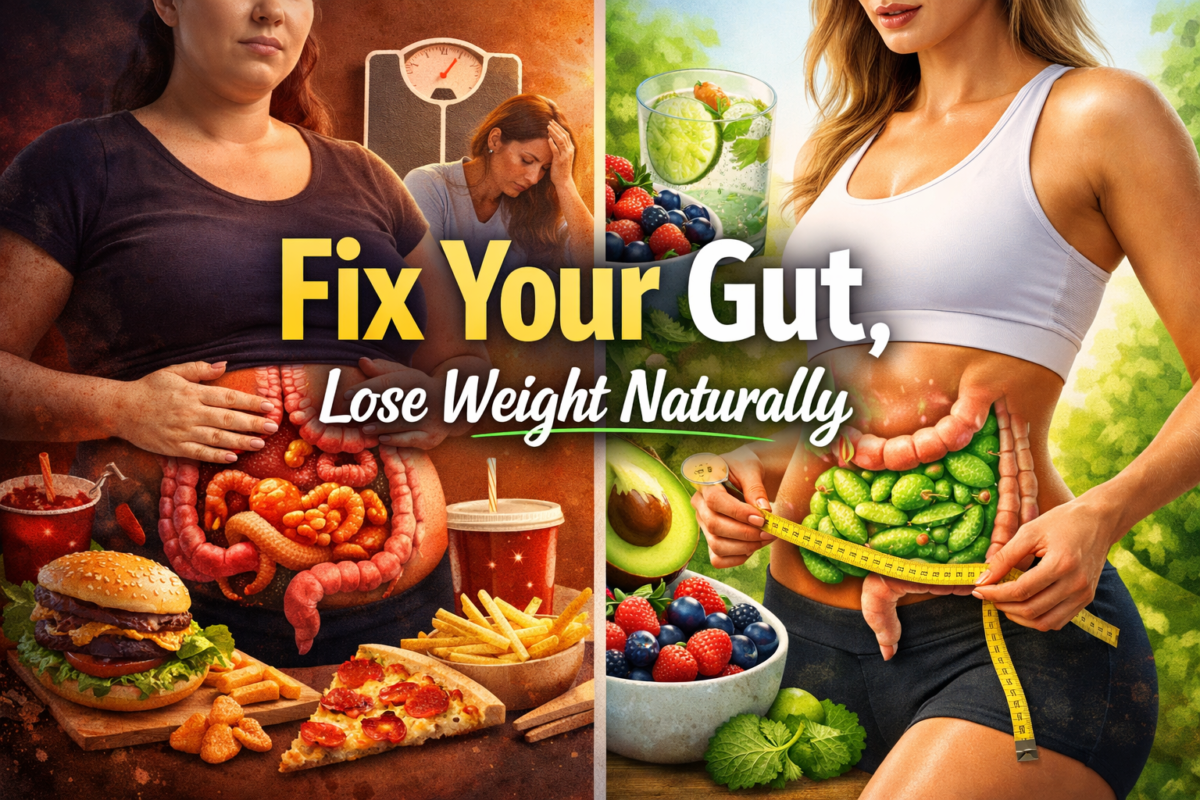
2. Eat More Fiber (Prebiotics)
Prebiotics feed good bacteria. Without fiber, probiotics cannot thrive.
High-fiber foods include:
- Oats
- Lentils
- Beans
- Apples
- Bananas
- Leafy greens
- Chia seeds
Aim for a balanced fiber intake to support digestive health and appetite control.
Gut Health and Weight Loss
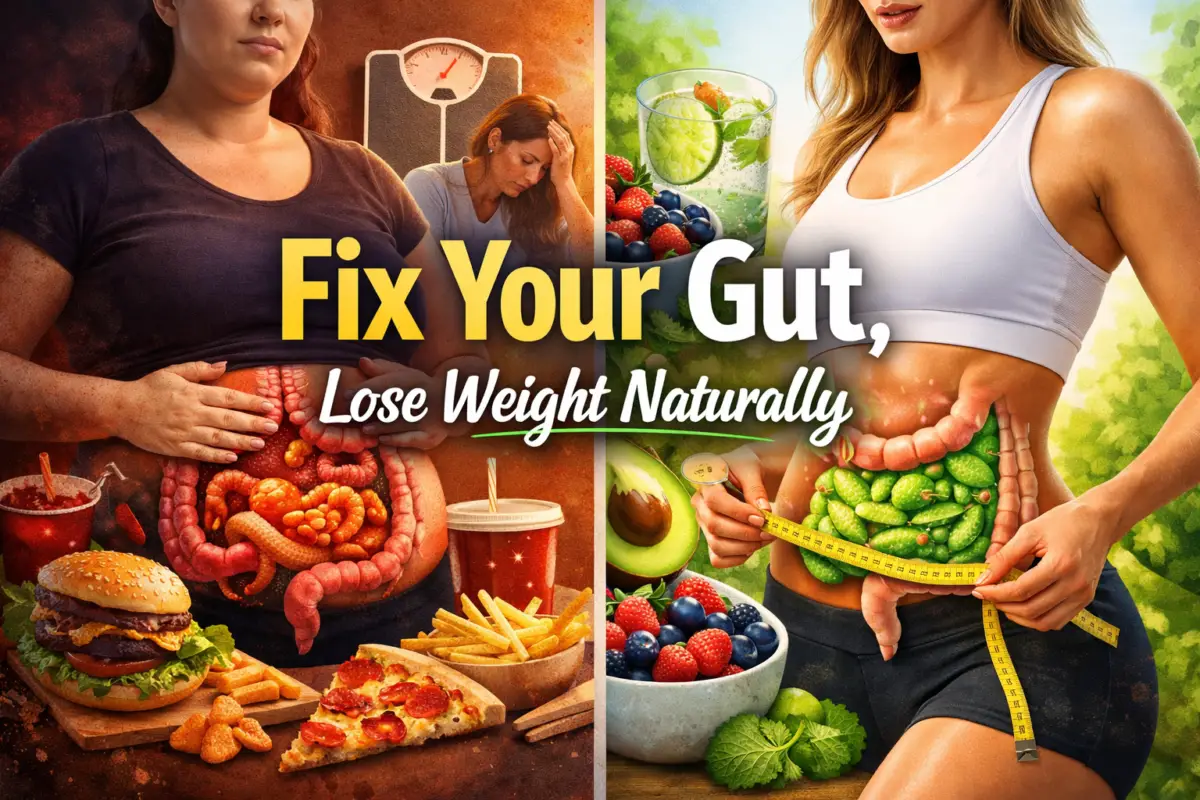
3. Reduce Processed Sugar and Refined Foods
Processed sugar feeds harmful bacteria. Reducing intake helps starve bad microbes and restore balance.
Limit:
- Sugary drinks
- White bread
- Processed snacks
- Fast food
- Artificial sweeteners
Instead, focus on whole, natural foods.
4. Stay Hydrated
Water supports digestion and helps maintain the mucosal lining of the intestines.
Drinking enough water:
- Improves bowel movements
- Reduces bloating
- Supports detoxification
Aim for consistent hydration throughout the day.
5. Manage Stress Levels
Chronic stress negatively affects gut bacteria and digestion.
Stress increases cortisol, which:
- Promotes belly fat
- Slows digestion
- Disrupts gut balance
Incorporate stress-reducing practices such as:
- Deep breathing
- Meditation
- Light exercise
- Proper sleep
Gut Health and Weight Loss
6. Prioritize Sleep
Poor sleep alters gut bacteria composition and hunger hormones.
Sleep deprivation:
- Increases ghrelin (hunger)
- Reduces leptin (fullness)
- Promotes late-night cravings
Aim for 7–8 hours of quality sleep daily to support metabolic balance.
7. Avoid Unnecessary Antibiotics
Antibiotics kill both harmful and beneficial bacteria. Overuse can severely damage gut diversity.
Only use antibiotics when prescribed and medically necessary.
The Role of Exercise in Gut Health
Regular physical activity not only burns calories but also improves microbiome diversity.
Moderate exercise:
- Enhances digestion
- Reduces inflammation
- Improves insulin sensitivity
You do not need extreme workouts. Even daily walking supports gut health and weight management.
Can Probiotic Supplements Help With Weight Loss?
Probiotic supplements may support weight loss when combined with proper diet and lifestyle changes. Certain strains have shown positive results in studies related to fat reduction and metabolism improvement.
However:
- Not all probiotics are equal
- Results vary by individual
- Diet remains the foundation
Consult a healthcare professional before starting supplements.
Sustainable Weight Loss Starts in the Gut
Quick-fix diets often fail because they ignore the internal ecosystem that regulates metabolism. When you focus solely on cutting calories, you may temporarily lose weight but struggle to maintain results.
Gut-centered weight loss focuses on:
- Long-term metabolic health
- Hormonal balance
- Reduced inflammation
- Improved digestion
This approach promotes steady, sustainable fat loss rather than short-term fluctuations.
Future Trends: Why Gut Health Is the Top Health Focus in 2026
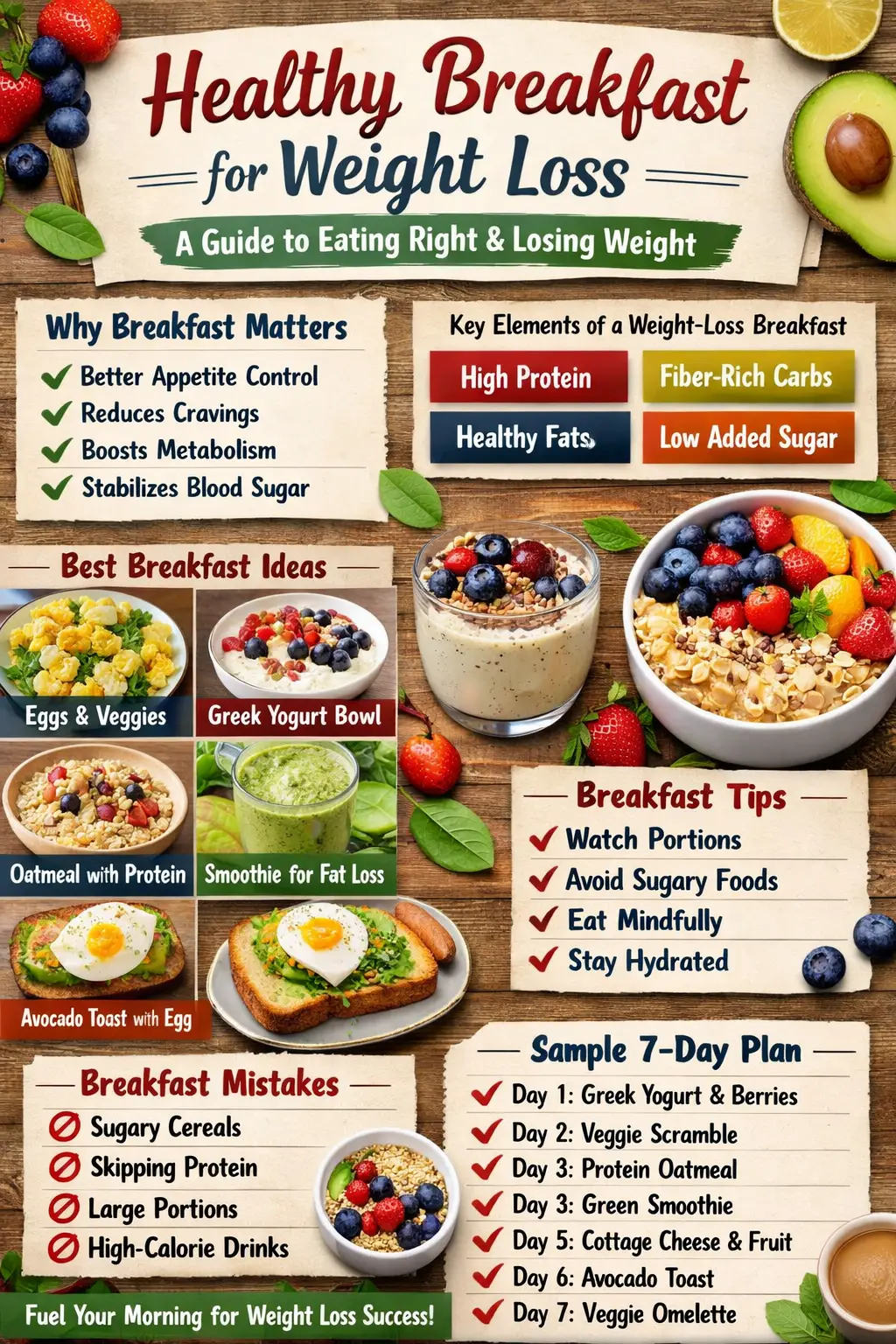
Modern healthcare trends increasingly emphasize microbiome research. Scientists are exploring:
- Personalized gut-based diet plans
- Microbiome testing for weight management
- Targeted probiotic therapies
- Gut-brain connection treatments
As research expands, gut health is becoming central to modern nutrition and metabolic science.
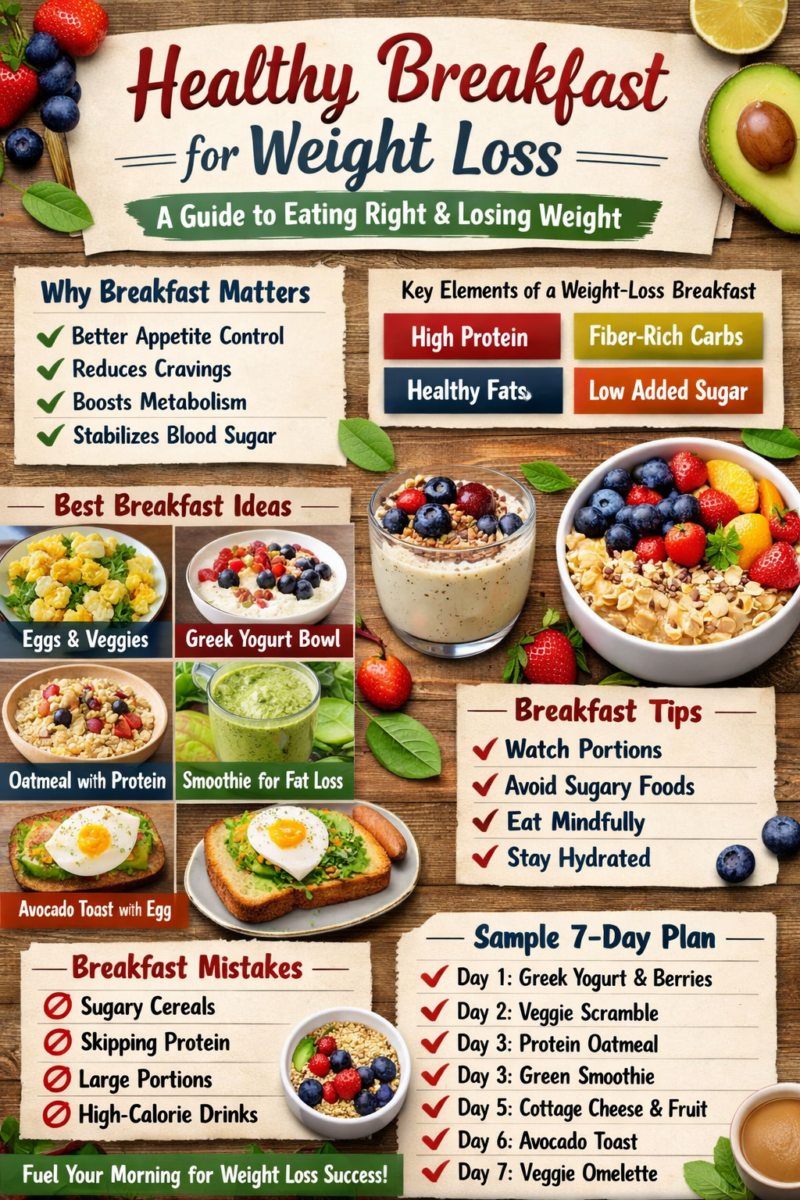
Gut Health and Weight Loss
Final Thoughts
The connection between gut health and weight loss is no longer a theory — it is supported by growing scientific evidence. Your digestive system plays a powerful role in regulating metabolism, hunger hormones, inflammation, and fat storage.
If traditional dieting has failed, consider shifting your focus from extreme calorie restriction to improving gut balance.
A healthy gut supports:
- Faster metabolism
- Reduced cravings
- Better digestion
- Sustainable fat loss
The modern weight loss formula is simple:
Heal your gut, balance your body, and let your metabolism work naturally.
Disclaimer
This article is for educational and informational purposes only and does not constitute medical advice. Always consult a qualified healthcare professional before starting any diet, supplement, or lifestyle change, especially if you have a medical condition or are taking medication. Individual results may vary.
FAQ Section
1. Can gut health really affect weight loss?
Yes, gut bacteria influence metabolism, hunger hormones, and fat storage.
2. How long does it take to improve gut health?
Most people notice digestive improvement within 2–4 weeks with proper diet changes.
3. What foods improve gut health for weight loss?
Probiotic foods like yogurt and fiber-rich foods like fruits and vegetables support gut balance.
4. Do probiotics help with belly fat?
Certain probiotic strains may support fat reduction when combined with a healthy lifestyle.

Muhammad Yaqoob is the founder of Global786Trend.com and a passionate health and wellness blogger. He writes about weight loss, healthy lifestyle, diet tips, and fitness. His goal is to provide simple, research-based information to help people improve their daily health habits naturally.
Pingback: https://yourwebsite.com/Best 7-Day Weight Loss Diet Plan (Healthy & Effective Guide)