Introduction
Gut controls your health more than most people realise. Scientists have discovered that the gut microbiol plays a major role in digestion,( Gut controls your health) immunity, metabolism, and even mental well-being.
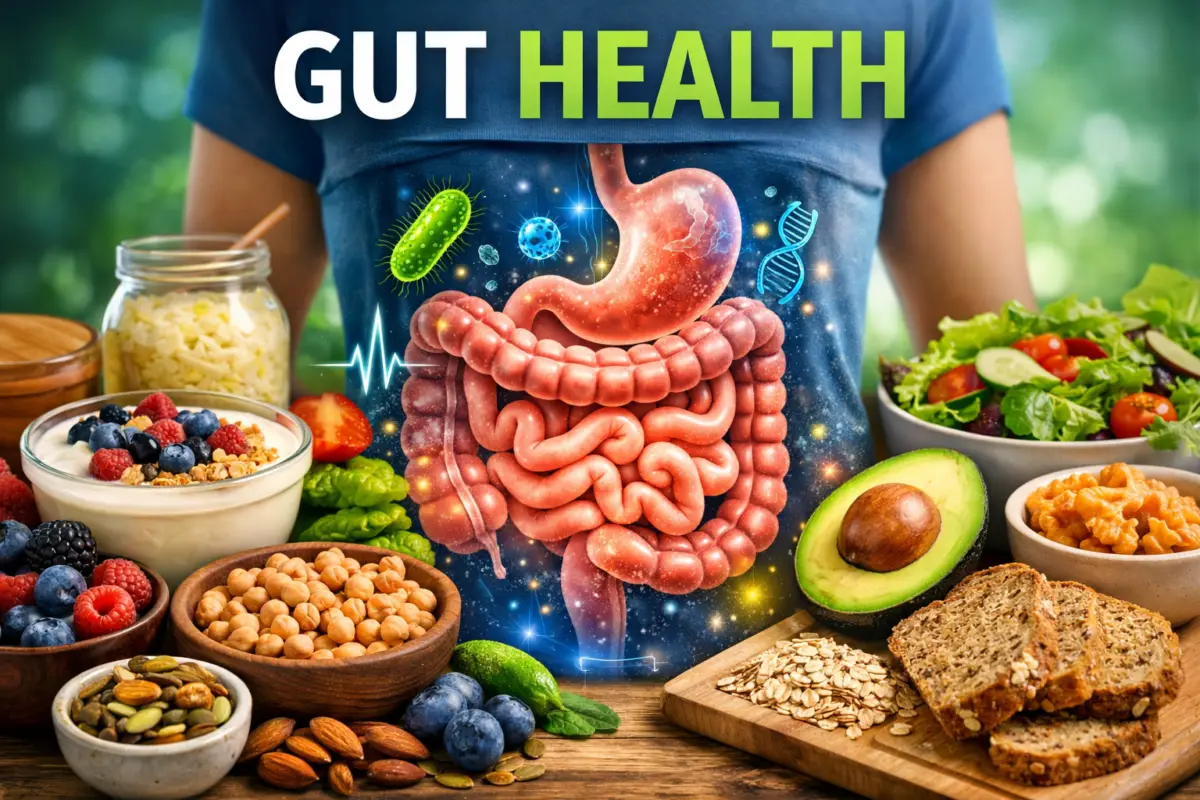

In recent years, scientists have discovered that the gut plays a much bigger role in our health than we ever imagined.Gut health plays an important role in overall wellness. Many experts recommend simple habits that help improve gut health naturally and support better digestion. Often called the “second brain,” the gut is home to trillions of microorganisms collectively known as the gut microbiol.( Gut controls your health)(These bacteria, viruses, and fungi influence everything from digestion and immunity to mood and mental health.
Because of these discoveries, gut health has become one of the biggest wellness trends in 2026. Doctors and nutrition experts now recommend focusing on diet, lifestyle, and daily habits that support a healthy microbiome.
In this article, we’ll explore seven science-backed ways to improve gut health naturally and keep your digestive system working at its best.
1. Eat More Fiber-Rich Foods
One of the most important things you can do for your gut is to increase your fiber intake. Fiber acts as food for the beneficial bacteria living in your digestive system. When these bacteria digest fiber, they produce compounds called short-chain fatty acids, which help reduce inflammation and support gut lining health.
Unfortunately, many people today consume diets high in processed foods but low in fiber. This can negatively impact gut bacteria and lead to digestive issues.
Foods rich in fiber include:
- Whole grains such as oats, brown rice, and quinoa
- Fruits like apples, bananas, and berries
- Vegetables such as broccoli, carrots, and spinach
- Legumes including lentils and beans
- Nuts and seeds
Health experts recommend consuming 25–35 grams of fiber daily. Gradually increasing fiber intake can help prevent bloating while giving your gut bacteria the nourishment they need.
http://WHO.INT 2. Include Fermented Foods in Your Diet
H2: Best Foods for Gut Health
H2: Natural Ways to Improve Digestion
Fermented foods are one of the best natural sources of probiotics, which are beneficial bacteria that support digestive health. These foods go through a fermentation process where bacteria and yeast break down sugars, creating healthy microorganisms.(How Gut Controls Your Health and Digestion)
Adding fermented foods to your daily diet can improve digestion, balance gut bacteria, and enhance immune function.
Popular fermented foods include:
- Yogurt
- Kefir
- Kimchi
- Sauerkraut
- Miso
- Kombucha
Regular consumption of these foods may help increase microbial diversity in the gut, which is considered a key marker of good gut health.
However, it’s important to choose naturally fermented and minimally processed options, as some commercial products contain added sugars or artificial ingredients.
3. Reduce Ultra-Processed Foods
Ultra-processed foods have become a major part of modern diets. These foods often contain additives, preservatives, artificial flavors, and refined sugars that may negatively affect the gut microbiome.
Studies suggest that diets high in processed foods can lead to reduced diversity of beneficial gut bacteria, which may increase inflammation and digestive problems.
Common ultra-processed foods include:
- Packaged snacks
- Sugary cereals
- Fast food
- Soft drinks
- Processed meats
Instead of relying on processed foods, focus on whole and natural ingredients such as fresh vegetables, fruits, lean proteins, and whole grains. These foods support beneficial bacteria and promote a healthier digestive system.
4. Stay Hydrated
Water plays a crucial role in maintaining a healthy digestive system. Proper hydration helps break down food, supports nutrient absorption, and promotes smooth bowel movements.
Dehydration can contribute to digestive problems such as constipation and bloating, which may disrupt the balance of gut bacteria.
Experts recommend drinking 6–8 glasses of water daily, though individual needs may vary depending on activity level and climate.
In addition to water, you can also stay hydrated by consuming:
- Herbal teas
- Fresh fruits with high water content
- Vegetables such as cucumbers and lettuce
Maintaining proper hydration ensures that the digestive system functions efficiently and supports overall gut health.
5. Manage Stress Levels
Many people don’t realize that stress has a direct impact on gut health. The gut and brain communicate through a system known as the gut-brain axis, meaning emotional stress can affect digestion.
Chronic stress may lead to issues such as:
- Irritable bowel syndrome (IBS)
- Poor digestion
- Changes in gut bacteria
- Increased inflammation
To support gut health, it’s important to incorporate stress-reducing activities into your routine. Effective methods include:
- Meditation
- Deep breathing exercises
- Regular physical activity
- Spending time outdoors
- Practicing mindfulness
Reducing stress not only improves mental well-being but also helps maintain a balanced gut microbiome.
6. Get Enough Sleep
Sleep is another crucial factor that affects gut health. Research has shown that poor sleep quality can disrupt gut bacteria, which may lead to metabolic problems and weakened immunity.(Many scientists now believe that gut controls your health through the microbiol.
Adults should aim for 7–9 hours of quality sleep each night to support both brain and digestive health.
Tips for better sleep include:
- Maintaining a consistent sleep schedule
- Avoiding screens before bedtime
- Reducing caffeine intake in the evening
- Creating a comfortable sleeping environment
A healthy sleep routine helps regulate hormones, support digestion, and maintain the balance of gut microorganisms.
7. Stay Physically Active
(A balanced diet helps ensure that gut controls your health in a positive way)
probiotic foods for gut health
fiber foods for digestion
gut health diet
fermented foods benefits
Regular exercise is not only beneficial for heart health and weight management but also for gut health. Studies suggest that physical activity can increase the diversity of beneficial gut bacteria.Scientists now believe that gut controls your health by influencing digestion, immunity, and metabolism.
Exercise helps stimulate digestion and improves the movement of food through the digestive tract.
Some effective activities include:
- Walking
- Cycling
- Swimming
- Yoga
- Strength training
Even moderate physical activity, such as 30 minutes of walking daily, can positively impact gut health and overall well-being.
Signs Your Gut Health May Be Poor
Understanding the symptoms of poor gut health can help you take action early. Some common warning signs include:
- Frequent bloating
- Constipation or diarrhea
- Food intolerances
- Low energy levels
- Skin issues
- Weak immunity
If these symptoms persist, it may be helpful to evaluate your diet and lifestyle habits.
The Future of Gut Health Research
Scientists continue to discover new information about the gut microbiome. Emerging research suggests that gut bacteria may influence:
- Mental health conditions such as anxiety and depression
- Metabolism and weight regulation
- Immune system function
- Chronic diseases including diabetes and heart disease
As research evolves, personalised nutrition based on gut microbiol analysis may become a key part of healthcare in the future.This is why improving digestion is important because gut controls your health in many different ways.
Weight LossConclusion
Gut health plays a vital role in maintaining overall wellness. By supporting the trillions of microorganisms living in your digestive system, you can improve digestion, boost immunity, enhance energy levels, and reduce the risk of disease.
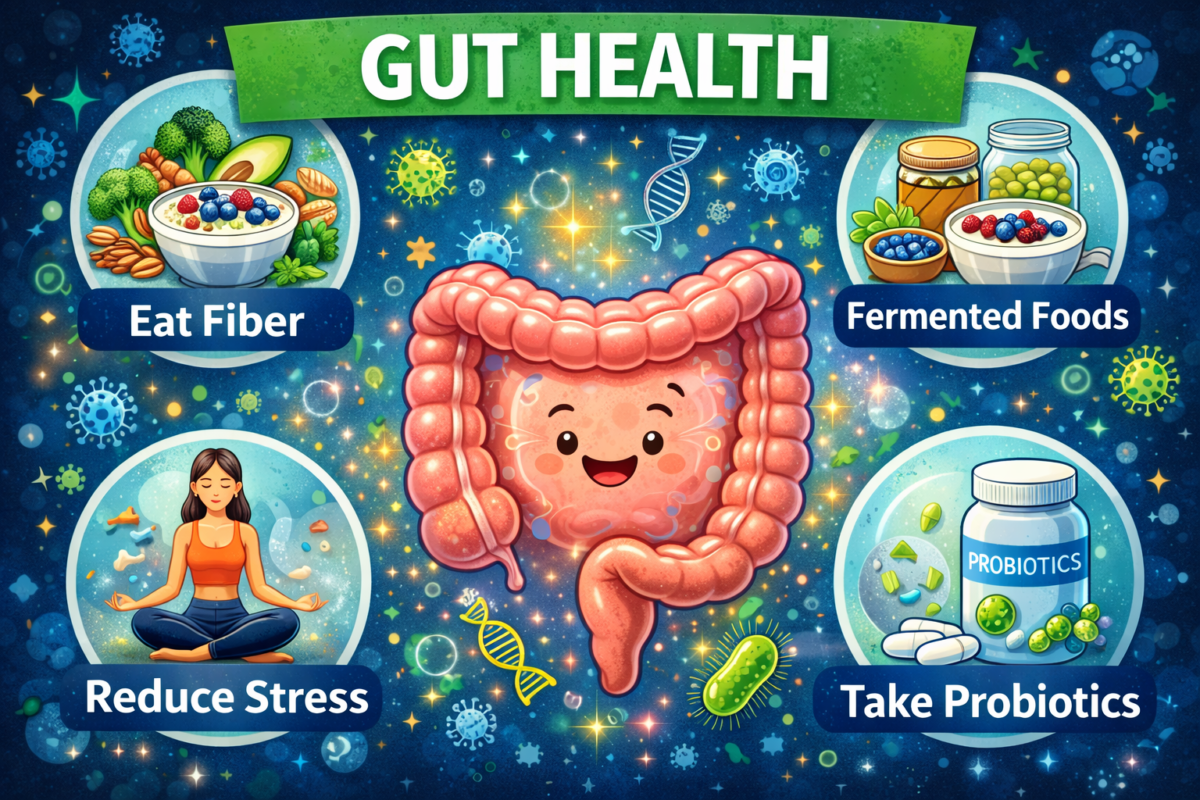
Simple lifestyle habits such as eating fiber-rich foods, including fermented foods in your diet, reducing processed foods, staying hydrated, managing stress, getting quality sleep, and staying physically active can make a significant difference.
The good news is that improving gut health doesn’t require extreme diets or complicated routines. Small daily changes can gradually restore balance to your microbiome and support long-term health.
As science continues to explore the connection between the gut and the rest of the body, one thing is becoming clear: a healthy gut is the foundation of a healthy life.
By following these simple tips and healthy habits, you can improve gut health naturally and support better digestion.When your gut bacteria are balanced, gut controls your health and supports better energy and immunity.
Author Thought
Improving gut health is not about following complicated diets or expensive supplements. In my opinion, the key lies in simple daily habits like eating natural foods, staying active, managing stress, and getting enough sleep. When we start listening to our bodies and treating our gut with care, we often notice improvements not only in digestion but also in energy, mood, and overall well-being. Small lifestyle changes today can lead to long-term health benefits tomorrow.
Disclaimer
The information provided in this article is for educational and informational purposes only. It is not intended as medical advice, diagnosis, or treatment. Always consult a qualified healthcare professional or medical expert before making significant changes to your diet, lifestyle, or health routine. Individual health conditions may vary, and professional guidance is recommended for personalised medical care.
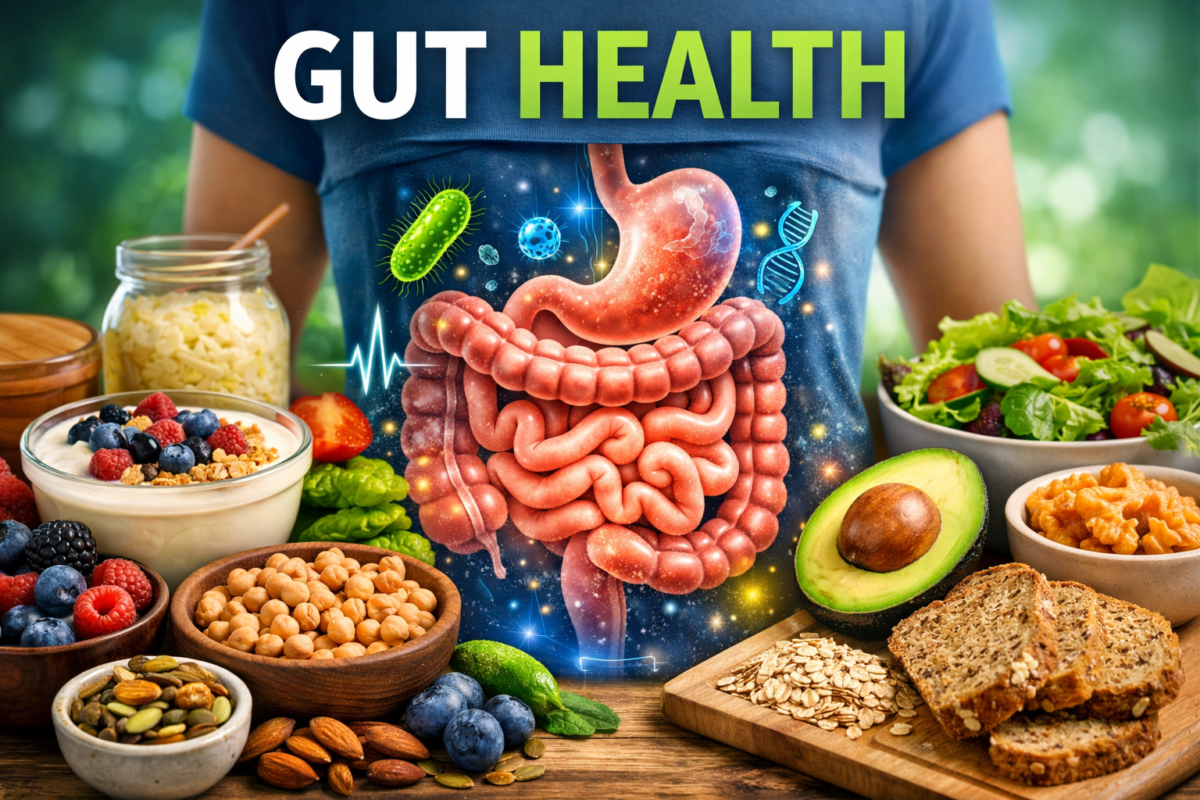
When you follow healthy habits, gut controls your health and supports better digestion.

Muhammad Yaqoob is the founder of Global786Trend.com and a passionate health and wellness blogger. He writes about weight loss, healthy lifestyle, diet tips, and fitness. His goal is to provide simple, research-based information to help people improve their daily health habits naturally.
Pingback: How to Improve Sleep Quality Naturally (10 Proven Tips for Better Sleep