
How to Control Depression
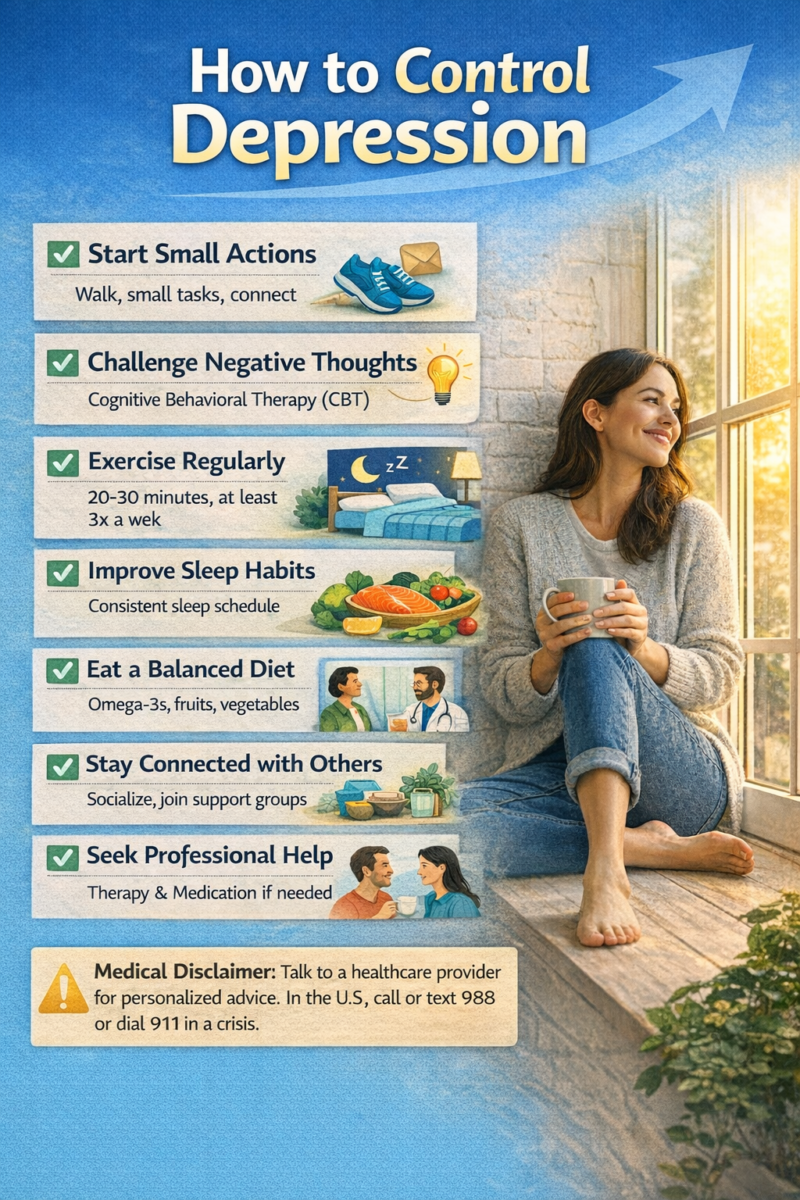
How to Control Depression in 2026: A Complete Guide for the USA and English-Speaking Countries
Depression is one of the most common mental health conditions in the United States, the UK, Canada, Australia, and other English-speaking countries. Millions of adults and teenagers experience symptoms every year, and awareness has never been higher. The encouraging news is that treatment options are more advanced, accessible, and effective than ever before.
Controlling depression does not mean forcing yourself to “snap out of it.” It means learning how to manage symptoms, reduce their intensity, prevent relapse, and rebuild daily functioning. With modern therapies, digital tools, lifestyle strategies, and new medical treatments, recovery is realistic for most people.
This 2026 guide covers the latest evidence-based strategies and trends that are helping people take control of depression across the USA and other English-speaking nations.
Understanding Depression
Depression is more than sadness. It may include:
- Persistent low mood
- Loss of interest in activities
- Fatigue or low energy
- Sleep problems (too much or too little)
- Appetite changes
- Difficulty concentrating
- Feelings of worthlessness or guilt
- Thoughts of death or suicide
If symptoms last more than two weeks and interfere with work, school, or relationships, professional evaluation is recommended.
1. Start With Behavioural Activation (The Most Practical Strategy)
One of the most effective modern approaches to depression is Behavioral Activation (BA). It is simple but powerful.
Depression reduces motivation first. People wait to “feel better” before acting. Behavioral activation flips that idea: action comes first, motivation follows.
The 3-Task Daily Rule
Every day, complete:
- One body task – shower, short walk, stretch
- One responsibility task – pay a bill, answer one email, clean one area
- One connection task – text someone, sit with family, short call
Keep tasks small. Success builds momentum.
This approach is widely used in therapy programs in the US, UK, and Canada because it works even when motivation is extremely low.
2. Therapy Options in the USA & English Countries (2026 Update)
Cognitive Behavioral Therapy (CBT)
CBT remains the gold standard treatment. It helps identify negative thought patterns and replace them with realistic alternatives.
Common CBT skills include:
- Challenging distorted thinking
- Problem-solving strategies
- Structured scheduling
- Coping tools for stress
Teletherapy (Major Trend)
Since the pandemic, online therapy has become mainstream. In the US and UK especially:
- Sessions are available via secure video
- Insurance often covers telehealth
- Easier scheduling increases consistency
Many people prefer teletherapy because:
- No commuting
- More privacy
- Flexible appointments
Platforms like BetterHelp, Talkspace, NHS Talking Therapies (UK), and private licensed therapists offer remote care options.
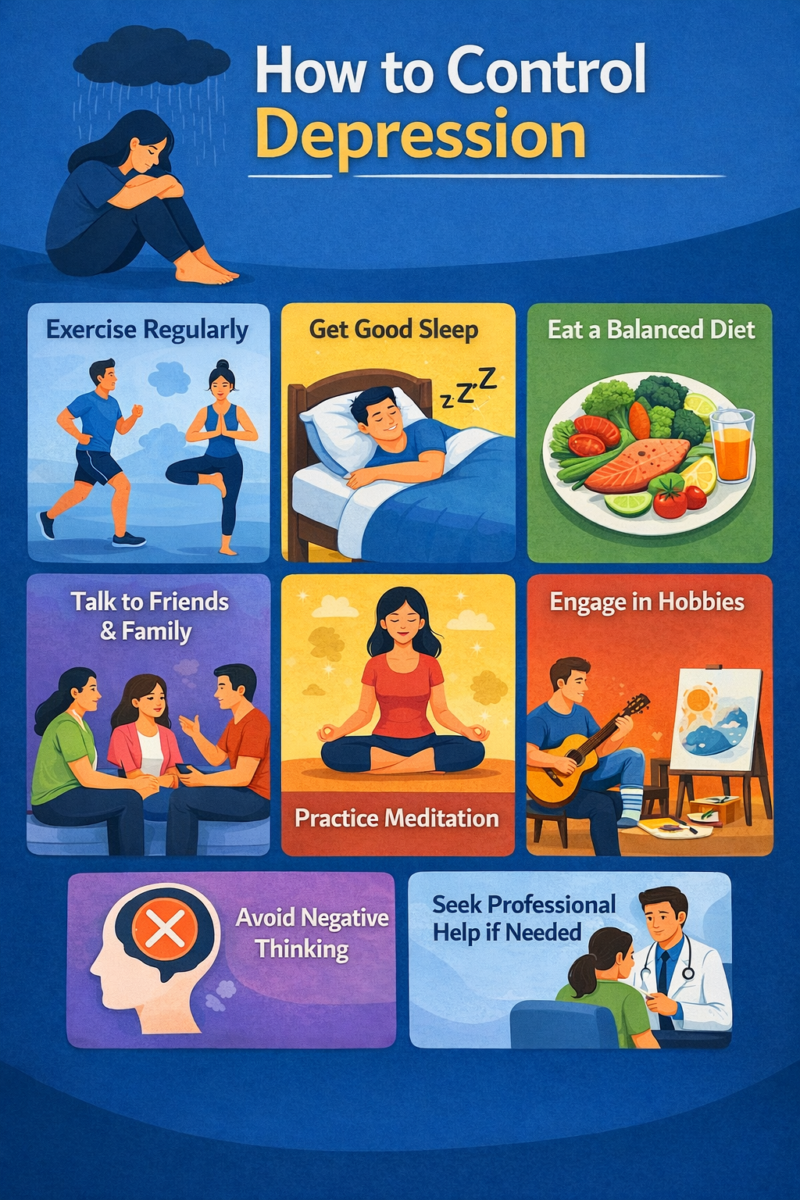
How to Control Depression
3. Medication: When It’s Needed
For moderate to severe depression, antidepressants can be very effective.
Common types:
- SSRIs (e.g., sertraline, fluoxetine)
- SNRIs (e.g., venlafaxine, duloxetine)
- Atypical antidepressants (e.g., bupropion)
Medication does not change personality. It stabilises brain chemistry so therapy and lifestyle improvements work better.
http://Health & Wellness: A Complete Guide to Living a Balanced and Energetic Life 2026How to Control Depression
4. Newer 2026 Treatments for Treatment-Resistant Depression
If traditional antidepressants don’t work, modern psychiatry offers advanced options.
Esketamine (Spravato)
Approved in the US and available in several English-speaking countries, esketamine is used for treatment-resistant depression under medical supervision.
It works faster than traditional antidepressants for some patients. It is administered in certified clinics.
Trans-cranial Magnetic Stimulation (TMS)
TMS is non-invasive brain stimulation.
- No anesthesia
- Minimal side effects
- Increasing insurance coverage in the US
- Shorter session protocols now available
TMS is becoming more common in urban mental health centers.
5. Exercise: A Natural Antidepressant
Modern research consistently shows that exercise can reduce depressive symptoms significantly.
You don’t need intense workouts.
Start with:
- 15–20 minute walks
- Light resistance training
- Yoga
- Cycling
In many US cities and UK towns, “social walking groups” and community fitness classes are growing trends. These combine movement with social support — a powerful combination.
6. Sleep Regulation: The Overlooked Factor
Sleep and depression are deeply connected.
Common problems:
- Insomnia
- Oversleeping
- Irregular schedule
Practical Sleep Reset Plan:
- Wake up at the same time daily
- Get morning sunlight
- Avoid screens 60 minutes before bed
- Reduce caffeine after 2 PM
CBT-I (Cognitive Behavioral Therapy for Insomnia) is widely available in English-speaking countries and often more effective long-term than sleeping pills.
How to Control Depression
7. Nutrition and Gut-Brain Health (Growing Trend)
Research in the US, UK, and Australia increasingly links gut health to mental health.
Helpful practices:
- Eat balanced meals
- Include omega-3 rich foods (fish, walnuts)
- Add fiber (vegetables, fruits)
- Stay hydrated
Highly processed foods and excess sugar may worsen mood instability.
While diet alone doesn’t cure depression, stabilizing blood sugar helps regulate mood swings and fatigue.
8. Digital Mental Health Tools (2026 Trend)
Technology is transforming depression care.
Popular tools include:
- Mood tracking apps
- Guided CBT apps
- Meditation platforms
- AI-based journaling tools
Many therapists in the US and UK now encourage mood tracking between sessions. Tracking helps detect early warning signs before relapse happens.
Digital therapeutics are becoming integrated into healthcare systems, especially within US insurance networks and NHS pilot programs.
9. Social Connection as Treatment
Isolation worsens depression.
Modern healthcare systems increasingly promote “social prescribing,” especially in the UK and Australia. This means doctors connect patients with:
- Volunteer opportunities
- Art classes
- Fitness groups
- Community centers
Even small social interactions improve mood regulation.
If you feel isolated:
- Join a local Meetup group
- Attend library or church events
- Volunteer once a week
- Take a short class
Belonging is protective against depression.
10. Reducing Alcohol and Substance Use
In the US and UK, alcohol is often used to cope with stress. However:
- Alcohol is a depressant
- It worsens sleep
- It increases emotional instability
Reducing alcohol intake often leads to noticeable mood improvements within weeks.
11. Creating a Personal Relapse Prevention Plan
How to Control Depression
Depression can return. Prevention planning is key.
Step 1: Identify Early Warning Signs
Examples:
- Skipping exercise
- Cancelling plans
- Sleeping excessively
- Increased negative thinking
Step 2: Immediate Action Plan
When warning signs appear:
- Schedule therapy session
- Restart daily walking
- Enforce strict sleep schedule
- Increase social contact
- Reduce alcohol
Catching depression early prevents severe episodes.
12. When to Seek Immediate Help (USA & English Countries)
If you have thoughts of self-harm or suicide:
United States
- Call or text 988 (Suicide & Crisis Lifeline)
- Emergency: 911
United Kingdom
- Samaritans: 116 123
- NHS 111 (mental health option)
Canada
- Talk Suicide Canada: 1-833-456-4566
Australia
- Lifeline: 13 11 14
These services are free and confidential.
A Simple 7-Day Starter Plan
If you feel overwhelmed, start here:
Daily:
- 15-minute walk
- Eat regular meals
- Same wake-up time
- Message one person
- Track mood (0–10)
By Day 4:
- Book therapy appointment
- Consult doctor if symptoms are severe
Small consistency beats extreme effort.
Final Thoughts
Controlling depression in 2026 is more achievable than ever. In the USA and English-speaking countries, you have access to:
- Evidence-based therapy
- Telehealth convenience
- Effective medications
- Advanced treatments like TMS and esketamine
- Digital tools for daily tracking
- Community-based support programs
Depression may feel overwhelming, but it is treatable. Progress often begins with small, repeated actions. You don’t have to solve everything today. Start with one manageable step.
🔹 Disclaimer
The information provided in this article is for educational and informational purposes only and is not a substitute for professional medical advice, diagnosis, or treatment. Always seek the advice of a licensed physician, psychiatrist, or qualified mental health professional regarding any medical or mental health condition. Never disregard professional medical advice or delay seeking it because of something you have read here. If you are experiencing a mental health crisis or thoughts of self-harm, contact emergency services or a crisis hotline immediately.

Muhammad Yaqoob is the founder of Global786Trend.com and a passionate health and wellness blogger. He writes about weight loss, healthy lifestyle, diet tips, and fitness. His goal is to provide simple, research-based information to help people improve their daily health habits naturally.