Loss Weight Without Crash Diets
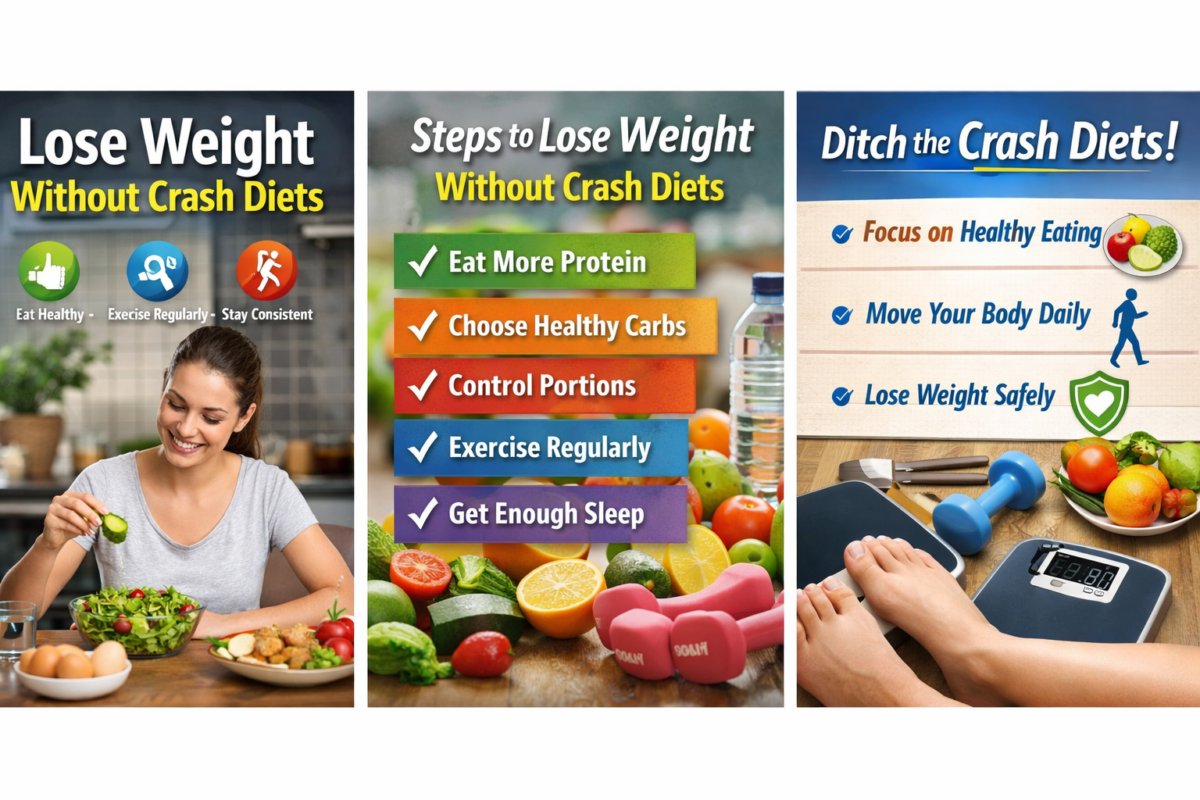
Loss Weight Without Crash Diets Losing weight is one of the most common health goals in the world, but it is also one of the most misunderstood. Many people still believe that the fastest way to slim down is to eat as little as possible, cut out entire food groups, or follow a strict diet that promises dramatic results in just a few days. These methods may look appealing at first, but they usually do more harm than good.(Lose Weight Without Crash Diets)
Crash diets often leave people feeling tired, hungry, frustrated, and disappointed. Even worse, the weight that is lost quickly often comes back just as fast. That is why more people in 2026 are looking for a smarter, healthier, and more sustainable approach.
If you want real results that last, the goal should not be to starve yourself. The goal should be to build habits that help your body burn fat, protect your health, and fit naturally into your daily life. In this guide, you will learn exactly how to lose weight without crash diets, step by step.
Why Crash Diets Do Not Work
Loss Weight Without Crash Diets
Before starting a healthy plan, it is important to understand why crash diets fail.
A crash diet usually means eating far too few calories, skipping meals, or following a very restrictive eating pattern that is difficult to maintain. At first, the number on the scale may drop quickly. However, much of that early loss is often water weight, not body fat.
When you do not eat enough, your body reacts in several ways:
- Your energy levels drop
- Your hunger increases
- Your mood may become worse
- Your metabolism may slow down
- You become more likely to binge later
This creates a cycle of restriction and overeating. You may lose a little weight for a short time, then gain it back once the diet becomes impossible to follow. This is why sustainable weight loss is not about punishment. It is about consistency.
Loss Weight Without Crash Diets
Step 1: Change Your Goal From “Fast” to “Sustainable”
The first step in losing weight without crash diets is changing your mindset.
Instead of asking, “How can I lose 10 pounds in one week?” ask, “How can I build habits that help me stay healthy for the next 10 years?”
This shift matters. Fast results often lead to short-term success and long-term frustration. Sustainable habits may feel slower, but they are much more powerful.
Healthy weight loss is not about perfection. It is about progress. Even small daily improvements can create major results over time.
Start with a simple goal like this:
- I want to lose weight gradually
- I want to feel more energetic
- I want to improve my eating habits
- I want to keep the weight off
When your goal becomes realistic, your plan becomes easier to follow.
Step 2: Understand Calorie Balance Without Obsessing
Weight loss happens when your body uses more energy than it takes in over time. This is often called a calorie deficit. But that does not mean you need to starve yourself or count every bite forever.
The smarter approach is to create a moderate calorie deficit through balanced eating and regular movement.
Here is what that looks like in real life:
- Eat slightly less, not extremely less
- Choose foods that keep you full
- Move your body more often
- Avoid liquid calories and mindless snacking
You do not need to make your diet miserable. The goal is to reduce excess calories while still eating enough to feel satisfied, nourished, and strong.
If you try to cut too much, your body and mind will fight back. If you make a reasonable adjustment, you are much more likely to stay consistent.
Step 3: Build Your Meals Around Protein
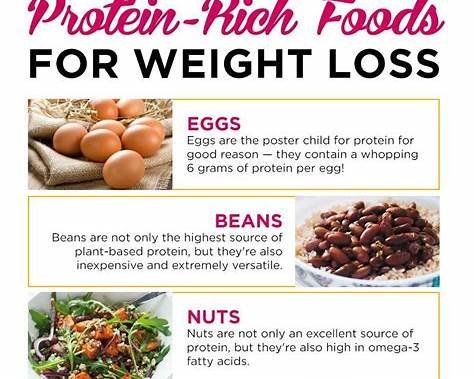
One of the best ways to lose weight without crash dieting is to prioritize protein.
Protein helps in several ways:
- It keeps you full for longer
- It supports muscle while losing fat
- It can reduce cravings
- It helps make meals more satisfying
Good protein sources include:
- Eggs
- Chicken breast
- Fish
- Greek yogurt
- Cottage cheese
- Lentils
- Beans
- Tofu
- Lean beef
- Turkey
A simple way to do this is to include a source of protein in every meal.
For example:
- Breakfast: eggs with whole grain toast and fruit
- Lunch: grilled chicken salad with olive oil dressing
- Dinner: baked fish with vegetables and brown rice
- Snack: Greek yogurt or a boiled egg
When meals contain enough protein, you are less likely to feel hungry an hour later.
Loss Weight Without Crash Diets
Step 4: Stop Fearing Carbs and Focus on Quality
Many people trying to lose weight immediately cut carbohydrates. While reducing highly processed carbs can help, you do not need to eliminate all carbs to lose weight.
The problem is not all carbs. The problem is the type and amount.
Better carbohydrate choices include:
- Oats
- Brown rice
- Sweet potatoes
- Quinoa
- Whole grain bread
- Beans
- Fruits
- Vegetables
These foods provide energy, fiber, and nutrients. They can support healthy weight loss when eaten in proper portions.
Try to reduce refined, low-fiber carbs such as:
- Sugary cereals
- Pastries
- White bread in large amounts
- Soda
- Candy
- Chips
Weight loss works best when you improve food quality, not when you completely ban foods out of fear.
Loss Weight Without Crash Diets

Step 5: Eat More Fiber to Stay Full
Fiber is one of the most helpful tools for healthy weight loss. It slows digestion, supports fullness, and can help you eat fewer calories naturally.
High-fiber foods include:
- Vegetables
- Fruits
- Beans
- Lentils
- Oats
- Chia seeds
- Whole grains
- Nuts and seeds
A common reason people overeat is that their meals are too low in volume and too easy to digest. A meal with vegetables, lean protein, and fiber keeps you full much longer than a small pastry or sugary snack.
A simple habit is to fill half your plate with vegetables at lunch and dinner. This makes your meals more satisfying without adding too many calories.
Step 6: Control Portions Without Feeling Deprived
You do not need to weigh every gram of food forever, but portion awareness is important.
Healthy foods can still lead to weight gain if the portions are too large. The key is not to eat tiny meals. The key is to serve balanced portions that match your goals.
Helpful portion tips include:
- Use a smaller plate if large portions tempt you
- Eat slowly and stop when comfortably full
- Serve your plate in the kitchen instead of eating from large containers
- Be careful with calorie-dense foods like nut butters, cheese, oils, and desserts
A practical plate method can help:
- Half the plate: vegetables
- One quarter: lean protein
- One quarter: quality carbs
This approach is simple, balanced, and easy to maintain.
Step 7: Stop Drinking Your Calories
Many people focus only on food and forget that drinks can add hundreds of extra calories each day.
Common high-calorie drinks include:
- Soda
- Sweet tea
- Fancy coffee drinks
- Energy drinks
- Packaged fruit juices
- Milkshakes
These beverages often do not fill you up, so you end up consuming extra calories without feeling satisfied.
Better choices include:
- Water
- Sparkling water
- Black coffee
- Unsweetened tea
- Low-calorie drinks in moderation
If plain water feels boring, add lemon, mint, or cucumber slices. Even a small change like replacing sugary drinks can make a big difference over time.
Loss Weight Without Crash Diets
Step 8: Create a Simple Meal Routine
One major reason people struggle with weight loss is inconsistency. They eat healthy for a day or two, then go off track because they have no routine.
A meal routine helps reduce decision fatigue. It does not mean eating the exact same food every day. It means having a structure.
For example:
- Eat breakfast within a few hours of waking
- Have lunch at a regular time
- Plan one healthy snack if needed
- Eat dinner before getting overly hungry at night
You can also repeat a few “go-to” meals during the week. This makes healthy eating easier and more realistic.
Example routine:
- Breakfast: oatmeal with berries and yogurt
- Lunch: chicken wrap with salad
- Snack: apple with peanut butter
- Dinner: salmon, potatoes, and vegetables
The more automatic your routine becomes, the less likely you are to depend on junk food or emotional eating.
Step 9: Move Your Body Every Day
You do not need extreme workouts to lose weight. Exercise should support your lifestyle, not destroy it.
The best form of exercise is the one you can do consistently.
Start with simple movement:
- Walking
- Cycling
- Swimming
- Home workouts
- Strength training
- Dancing
- Light jogging
Walking is one of the most underrated tools for weight loss. It is low impact, free, accessible, and easy to stick with. A daily walk after meals can also help reduce mindless snacking and improve digestion.
Try this beginner approach:
- Week 1: 20 minutes of walking, 5 days a week
- Week 2: 25 minutes, 5 days a week
- Week 3: 30 minutes, 5 to 6 days a week
Small increases add up.
Step 10: Add Strength Training
If you want better long-term results, include strength training in your plan.
Many people think weight loss means endless cardio, but strength training is just as important. It helps preserve muscle while losing fat. That matters because muscle supports your metabolism and improves body shape.
You do not need a gym to begin. You can start with:
- Squats
- Lunges
- Push-ups
- Glute bridges
- Dumbbell rows
- Resistance band exercises
Aim for two or three strength sessions each week. Even short sessions can help if you stay consistent.
Losing weight without crash diets is not just about becoming lighter. It is about becoming healthier and stronger.
Step 11: Sleep More Than You Think You Need(Loss Weight Without Crash Diets)
Sleep plays a huge role in weight management. When you do not sleep enough, hunger and cravings often increase. You may also feel too tired to cook, exercise, or make good decisions.
Poor sleep can lead to:
- More cravings for sugar and junk food
- Higher stress
- Lower energy
- Worse recovery
- Increased overeating
Try to build a healthier sleep routine by:
- Going to bed at a consistent time
- Reducing screen time before sleep
- Avoiding heavy meals late at night
- Limiting caffeine late in the day
- Keeping your bedroom cool and dark
Even improving your sleep by one extra hour can support better eating habits.
Step 12: Manage Emotional Eating
Not all hunger is physical hunger. Sometimes people eat because they are stressed, bored, lonely, anxious, or tired.
If this happens often, no diet plan will fully solve the problem unless you address the trigger.
Ask yourself before eating:
- Am I truly hungry?
- Or am I stressed, bored, or upset?
If it is emotional hunger, try another action first:
- Drink water
- Go for a short walk
- Call a friend
- Write in a journal
- Take a few deep breaths
- Wait 10 minutes before deciding
This does not mean you can never eat for comfort. It means learning the difference between physical hunger and emotional habits.
Step 13: Plan for Treats Instead of Banning Them(Loss Weight Without Crash Diets)
A common mistake in weight loss is becoming too strict. People tell themselves they will never eat dessert, pizza, or snacks again. That usually works for a few days, then leads to cravings and overeating.
A better strategy is to include treats in moderation.
You can still lose weight while enjoying foods you love. What matters most is your overall pattern, not one meal.
Try these ideas:
- Have dessert once or twice a week in a reasonable portion
- Order a smaller size instead of the largest
- Enjoy treats mindfully instead of eating them quickly
- Balance higher-calorie meals with lighter meals during the day
When you stop labeling foods as “forbidden,” they often lose some of their power over you.
Step 14: Track Progress the Smart Way(Loss Weight Without Crash Diets)
The scale can be useful, but it should not be your only measure of success. Weight naturally fluctuates from day to day because of water, digestion, hormones, and sodium intake.
If you only trust the scale, you may feel discouraged even when you are making progress.
Better ways to track progress include:
- Weekly weight averages
- Progress photos
- Waist measurements
- Energy levels
- Clothing fit
- Strength improvements
- Better eating consistency
Focus on trends, not daily perfection.
Step 15: Be Patient and Keep Going(Loss Weight Without Crash Diets)
This may be the most important step of all.
Healthy weight loss takes time. But slow progress is not failure. It is often the sign that you are doing it the right way.
Many people quit because they expect dramatic results too quickly. Then they go back to crash diets and repeat the cycle.
Instead, remind yourself:
- I am building a lifestyle, not following a punishment plan
- I do not need to be perfect to make progress
- One bad meal does not ruin my journey
- Consistency matters more than intensity
A realistic plan you follow for six months is far more effective than an extreme plan you quit after six days.
A Simple Step-by-Step Weight Loss Plan for Beginners
If you want a simple action plan, start here:(Lose Weight Without Crash Diets)
Week 1
- Stop sugary drinks
- Walk 20 minutes a day
- Add protein to breakfast
Week 2
- Fill half your plate with vegetables at lunch and dinner
- Eat one healthy snack instead of random snacking
- Go to bed 30 minutes earlier
Week 3
- Start two strength workouts per week
- Reduce takeout meals
- Drink more water daily
Week 4
- Practice portion control
- Track your meals for awareness
- Plan your meals for the next week
Keep repeating these habits until they feel normal. Then build from there.
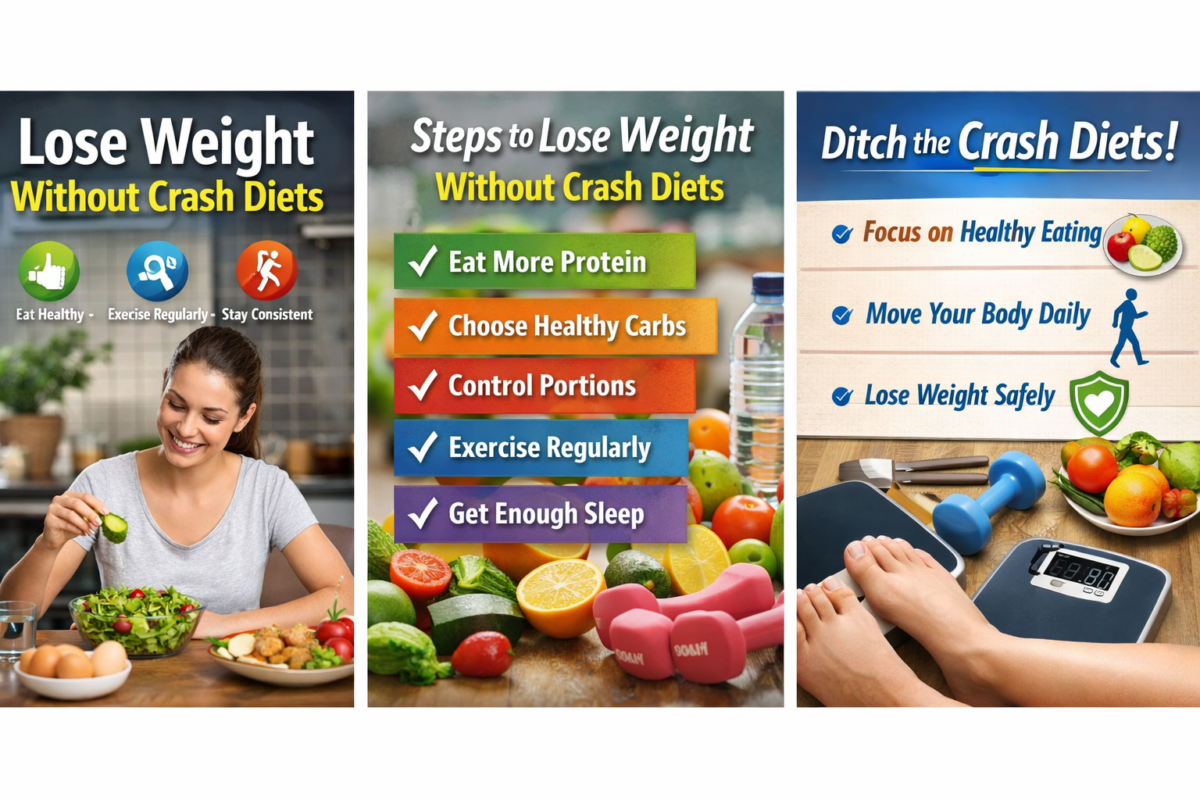
Final Thoughts
If you want to lose weight in 2026, you do not need another crash diet. You do not need starvation, detox teas, or unrealistic rules. What you need is a step-by-step system you can actually live with.
Eat balanced meals. Prioritize protein and fiber. Move every day. Strength train a few times a week. Sleep well. Stay patient. Make room for treats. Most importantly, stop chasing extreme solutions that only create short-term results.
The healthiest way to lose weight is also the most effective in the long run: build simple habits you can repeat again and again.
That is how real transformation happens.
Disclaimer
This article is for informational and educational purposes only and does not replace professional medical advice, diagnosis, or treatment. Weight loss results can vary from person to person depending on age, body type, medical history, lifestyle, and other factors. Always consult a qualified doctor, registered dietitian, or healthcare professional before starting any new diet, exercise program, or weight loss plan, especially if you have an underlying health condition, are pregnant, breastfeeding, or taking medication.
Quick Q&A Table
| Question | Answer |
|---|---|
| Can I lose weight without crash dieting? | Yes. Sustainable weight loss is possible through balanced eating, regular exercise, proper sleep, and healthy daily habits. |
| How much weight can I lose safely? | Safe and steady weight loss is usually gradual. Fast weight loss methods are often hard to maintain and may not be healthy. |
| Do I need to stop eating carbs? | No. You do not need to cut all carbs. Choosing better-quality carbs like oats, fruits, vegetables, and whole grains is a smarter approach. |
| Is exercise necessary for weight loss? | Exercise helps a lot, but combining healthy eating with regular movement gives the best long-term results. |
| What is the biggest mistake people make? | One of the biggest mistakes is following extreme diets that are too hard to continue. |
| Can I still eat my favorite foods? | Yes. You can still enjoy your favorite foods in moderation while following a healthy weight loss plan. |
| How long does healthy weight loss take? | Healthy weight loss takes time and consistency. The goal should be long-term progress, not overnight results. |
| Does drinking more water help with weight loss? | Drinking enough water may help with hydration, appetite control, and reducing sugary drink intake. |
| Why do crash diets fail? | Crash diets often lead to hunger, low energy, cravings, and weight regain because they are too restrictive. |
| What is the best way to start? | Start with simple steps like improving meal quality, walking daily, controlling portions, and staying consistent. |
END OF THIS ARTICLE Loss Weight Without Crash Diets
This article is for informational purposes only and does not replace medical or professional health advice.

Muhammad Yaqoob is the founder of Global786Trend.com and a passionate health and wellness blogger. He writes about weight loss, healthy lifestyle, diet tips, and fitness. His goal is to provide simple, research-based information to help people improve their daily health habits naturally.