
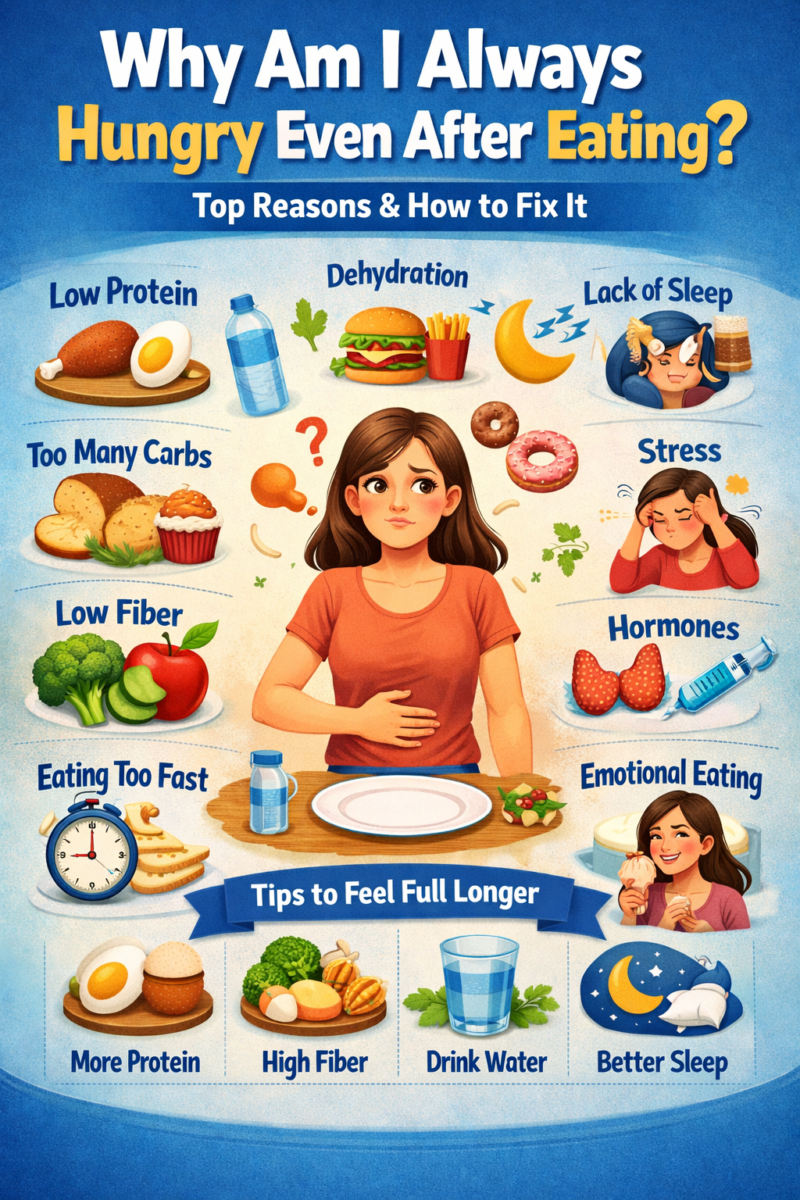
Why Am I Always Hungry Even After Eating? (Latest Science + Practical Tips to Fix It) Do you ever finish a full meal… and still feel hungry 30 minutes later?
Or find yourself constantly snacking even though you just ate?
In this article, we’ll explore the latest science-backed reasons why you’re always hungry and practical tips you can use immediately to feel satisfied longer.
1. You’re Not Eating Enough Protein
Why Am I Always Hungry Even After Eating
One of the biggest reasons people feel hungry after meals is low protein intake.
Protein is the most filling macronutrient. It increases satiety hormones like GLP-1 and peptide YY while lowering ghrelin (the hunger hormone). If your meal is mostly carbs (like toast, cereal, pasta, or rice) without enough protein, hunger returns quickly.
Signs this might be you:
- You eat breakfast but feel hungry within 1–2 hours
- Your meals are heavy in bread, rice, or noodles
- You snack often on carbs
Fix It:
Aim for 20–40 grams of protein per meal.
Good sources:
- Eggs
- Greek yogurt
- Chicken or turkey
- Fish
- Tofu or tempeh
- Lentils and beans
- Protein smoothies
👉 Example: Instead of toast alone, try toast + eggs + Greek yogurt.
2. Your Meals Lack Fiber
Fiber slows digestion and keeps you full longer. If you’re eating refined foods (white bread, white rice, processed snacks), your blood sugar spikes and crashes—triggering hunger soon after.
Latest Research Insight:
High-fiber diets improve appetite control and stabilize blood sugar levels, reducing cravings.
Fix It:
Aim for 25–35 grams of fiber daily.
Add:
- Oats
- Chia seeds
- Flaxseeds
- Vegetables
- Fruits with skin
- Whole grains
- Beans
👉 Add vegetables to every meal. Even adding one cup can dramatically increase fullness.
3. You’re Eating Too Many Refined Carbs
Refined carbohydrates digest quickly and cause rapid insulin spikes. When blood sugar drops, your brain signals hunger—even if you just ate.
Examples of high-refined carb meals:
- Sugary cereal
- White bread sandwiches
- Pastries
- Sugary drinks
- Large bowls of white pasta
Fix It:
Balance carbs with:
- Protein
- Healthy fats
- Fiber
Instead of plain pasta, try pasta with grilled chicken, olive oil, and vegetables.
4. You’re Not Drinking Enough Water
Sometimes what feels like hunger is actually thirst.
Mild dehydration can trigger hunger signals because the brain regions that control hunger and thirst overlap.
Quick Test:
Before eating, drink a glass of water and wait 10–15 minutes. If hunger fades, you were likely thirsty.
Fix It:
- Drink 2–3 liters of water daily
- Drink water before meals
- Add electrolytes if you sweat heavily
5. You’re Not Sleeping Enough

Sleep deprivation increases ghrelin (hunger hormone) and decreases leptin (fullness hormone). Even one night of poor sleep can increase cravings—especially for high-calorie foods.
Latest Data:
People who sleep less than 6 hours per night tend to consume significantly more calories the next day.
Fix It:
- Aim for 7–9 hours of sleep
- Avoid screens 1 hour before bed
- Keep your room cool and dark
- Go to bed at the same time daily
Better sleep = better appetite control.
6. Stress Is Making You Hungry
Chronic stress increases cortisol. High cortisol levels can increase appetite and cravings for sugary, fatty foods.
If you feel hungry especially during stressful moments, emotional hunger may be the cause.
Signs of Stress Hunger:
- Cravings for comfort foods
- Eating even when not physically hungry
- Sudden desire for sweets
Fix It:
- Practice deep breathing
- Take 10-minute walks
- Try meditation or journaling
- Reduce caffeine if stress is high
Managing stress helps regulate appetite naturally.
7. You Eat Too Fast
It takes about 20 minutes for your brain to register fullness. If you eat quickly, you may consume too much—or feel unsatisfied because your brain hasn’t caught up.
Fix It:
- Chew thoroughly
- Put your fork down between bites
- Avoid eating in front of screens
- Make meals last at least 15–20 minutes
Slower eating improves digestion and satiety.
http://always hungry after eating why am I always hungry causes of constant hunger hunger hormones science how to stop feeling hungry all the time foods that keep you full longer leptin and ghrelin explained reasons you feel hungry after meals nutrition tips to reduce h8. Hormonal Imbalances
Persistent extreme hunger may be linked to hormonal issues such as:
- Thyroid disorders (hyperthyroidism)
- Insulin resistance
- PCOS
- Diabetes
- Leptin resistance
Warning Signs:
- Unexplained weight changes
- Fatigue
- Hair thinning
- Irregular periods
- Frequent urination
If you experience these symptoms, consult a healthcare provider for testing.
9. You’re Not Eating Enough Calories Overall
If you’re dieting aggressively, your body will increase hunger signals as a survival mechanism.
Chronic undereating leads to:
- Constant hunger
- Fatigue
- Mood swings
- Cravings
Fix It:
Ensure you’re eating enough for your body size and activity level. Sustainable weight loss should be gradual—not extreme.
10. You Exercise a Lot (But Don’t Refuel Properly)
Intense workouts increase energy demands. If you don’t eat enough afterward, your hunger will spike later.
Fix It:
Eat within 1 hour after exercise:
- Protein (20–30g)
- Carbs to replenish glycogen
Example: Protein shake + banana.
11. Liquid Calories Don’t Fill You Up
Smoothies, juices, sodas, and sugary coffees provide calories but don’t trigger fullness like solid food.
Fix It:
- Eat whole fruits instead of juice
- Choose solid meals over liquid ones
- Add protein and fiber to smoothies
12. You’re Eating Out of Habit, Not Hunger
Sometimes hunger is just routine.
Examples:
- Snacking while watching TV
- Eating at a certain time even if not hungry
- Office boredom eating
Try This:
Ask yourself before eating:
“Am I physically hungry, or just bored/tired?”
How to Feel Full Longer (Practical Daily Strategy)
Here’s a simple hunger-control formula:
1️⃣ Build Balanced Meals
Every meal should include:
- Protein
- Fiber
- Healthy fats
- Complex carbs
Example:
Grilled chicken + brown rice + vegetables + olive oil.
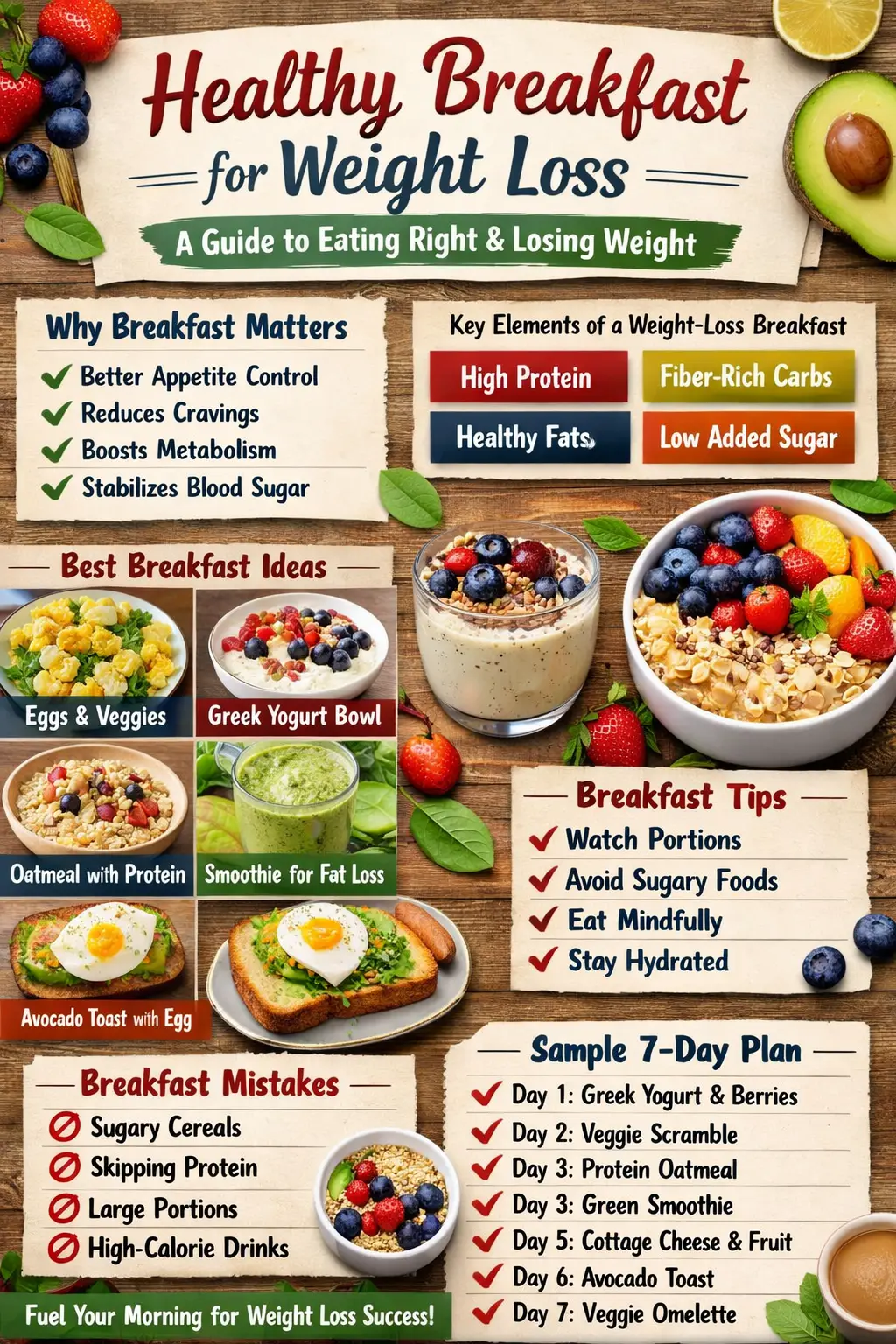
2️⃣ Prioritize Protein at Breakfast
High-protein breakfasts reduce hunger throughout the day.
Instead of:
Sugary cereal
Try:
Eggs + avocado + whole-grain toast
3️⃣ Include Healthy Fats
Healthy fats slow digestion.
Add:
- Nuts
- Seeds
- Olive oil
- Avocado
4️⃣ Plan Structured Meals
Eat:
- 3 balanced meals
- 1–2 healthy snacks (if needed)
Skipping meals often leads to overeating later.
5️⃣ Improve Gut Health
Emerging research shows gut bacteria influence hunger hormones.
Support gut health by eating:
- Yogurt with probiotics
- Fermented foods (kimchi, kefir)
- Fiber-rich vegetables
When Should You See a Doctor?
Seek medical advice if:
- Hunger is extreme and constant
- You feel shaky or dizzy
- You experience rapid weight changes
- You suspect thyroid or blood sugar issues
Persistent hunger can sometimes signal underlying medical conditions.
Disclaimer:
This content is for general information only and does not replace medical advice. Please consult a healthcare professional for personal guidance.
Final Thoughts
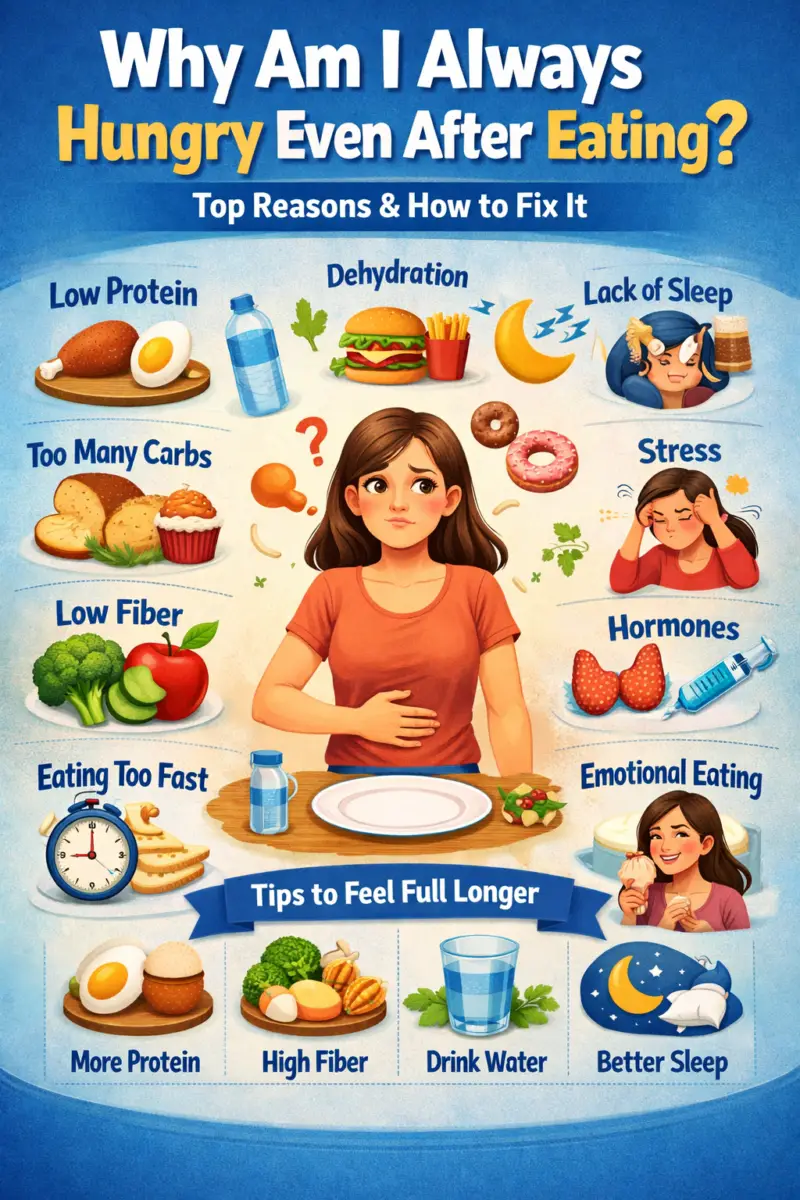
If you’re always hungry—even after eating—the issue usually isn’t “lack of willpower.” It’s often related to:
- Low protein
- Low fiber
- Poor sleep
- Stress
- Blood sugar swings
- Hormonal imbalance
- Dehydration
By adjusting your diet, sleep, stress levels, and meal balance, you can dramatically reduce constant hunger and feel satisfied longer.
Remember: Hunger is information. Listen to your body—but give it the right fuel.
Frequently Asked Questions
Why am I always hungry even after eating?
Constant hunger can happen due to low protein intake, high refined carbs, dehydration, poor sleep, stress, or hormone imbalance.
How can I stop feeling hungry all the time?
Eat more protein and fiber, stay hydrated, sleep well, and manage stress levels.
Is constant hunger a sign of a health problem?
Sometimes yes. Conditions like thyroid imbalance, diabetes, or hormonal issues can increase hunger.

Muhammad Yaqoob is the founder of Global786Trend.com and a passionate health and wellness blogger. He writes about weight loss, healthy lifestyle, diet tips, and fitness. His goal is to provide simple, research-based information to help people improve their daily health habits naturally.