Introduction
halal vs haram stocks.When I started investing in stocks back in 2021, I was excited about the idea of growing my money. But as a Muslim, that excitement quickly turned into confusion. Every time I opened Robin hood or Trading, I asked myself: “Is this company halal or harm?”
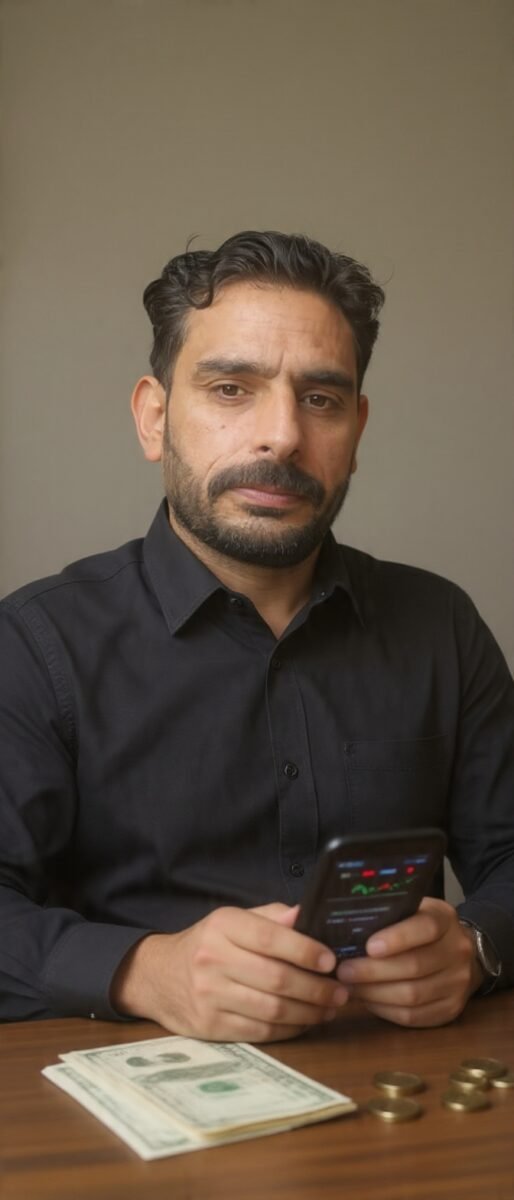
I didn’t want to earn money from alcohol, gambling, or interest-based banks. But almost every stock seemed mixed. A tech company making phones would also earn interest on its cash. A food company would sell some haram products too.
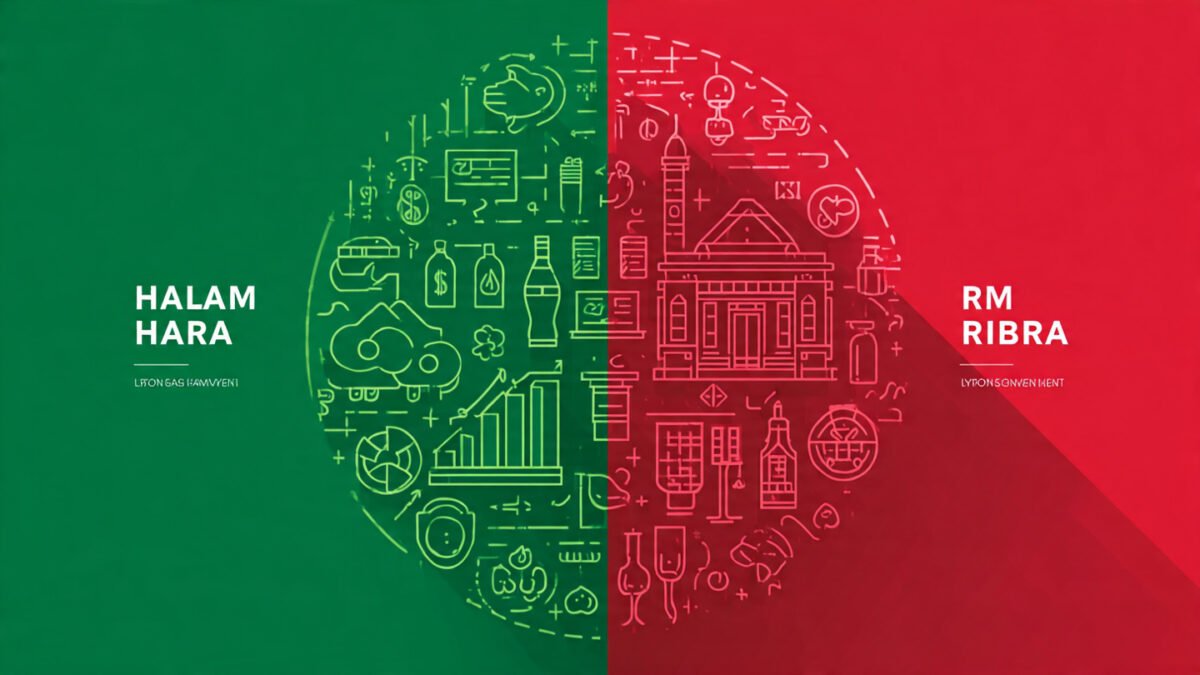
That’s when I realized investing as a Muslim isn’t just about profit. It’s about keeping your money clean. After 4 years of research, testing different apps, and making mistakes, I’ve learned how to check any stock in under 5 minutes. In this guide, I’ll show you the exact process I use in 2026, with real examples, so you can invest with peace of mind.My first year was full of mistakes. I bought Apple stock without checking, then spent 3 sleepless nights reading 20-page fatwas.
I made an Excel sheet to track debt ratios manually because I didn’t trust any screener. I even sold Tesla at a loss because I wasn’t 100% sure about their interest income. Those 4 years of confusion, late nights, and small losses taught me one thing: checking Shariah compliance doesn’t have to be this complicated. This guide is the shortcut I wish I had in 2021.
Disclaimer: This is not financial advice. Always confirm with a qualified Shariah scholar before investing.
1. Why Most Stocks Are Not 100% Halal
The stock market is built on a conventional system. Companies borrow money with interest, park cash in interest-bearing accounts, and sometimes have small haram revenue streams.
Islamic scholars divide haram elements into two parts:
A. Haram Business Activity
If a company earns more than 5% of its revenue from these, it’s non-compliant everywhere:
- Alcohol, pork, gambling, adult entertainment
- Conventional banking and insurance
- Tobacco and weapons for unjust purposes
B. Haram Financial Activity
Even if the business is halal, the finances can make it haram:
- Too much interest-bearing debt. Most scholars use a 33% threshold.
- Too much interest income. Must be less than 5% of total revenue.
- High cash and receivables, because that’s considered “money making money” without real trade.
So a company like Coca-Cola might seem halal because it sells drinks. But if it earns 8% from alcoholic beverages, it fails. That’s why we need screening.
2. The 3-Step Screening Process Used by Scholars
I learned this method from AAOIFI standards and from using apps like Zoya and Musaffa. Every Shariah board follows a similar 3-step process:
Step 1: Check the Business Activity
Look at the company’s annual report under “Revenue by Segment.” If more than 5% comes from haram activities, reject it immediately.
Example: I wanted to invest in Disney in 2022. But 6% of its revenue came from alcohol sales in parks. So I dropped it.
Step 2: Check the Financial Ratios
If the business passes, check the balance sheet. Use these 3 ratios:
- Debt to Market Cap: Interest-bearing debt ÷ Market Cap < 33%
- Cash + Interest Securities to Market Cap: < 33%
- Impure Income to Revenue: Interest income ÷ Revenue < 5%
You can calculate this manually, but it takes time. I use Musaffa for this. It shows the exact numbers from the latest quarterly report.
Step 3: Purify Impure Income
No company is 100% clean. If a compliant stock has 1% impure income, scholars allow it but say you must donate that 1% to charity.
Example: If you earn $1000 dividend from a stock with 2% impure income, you donate $20. Zoya app calculates this automatically for you.
3. How I Check Stocks in 5 Minutes in 2026
When I started, I spent hours reading financial statements. Now I use this 3-step workflow:
Step 1: Shortlist
I pick 10 companies I understand. I never invest in a business I don’t understand. Warren Buffett’s rule works for halal investing too.
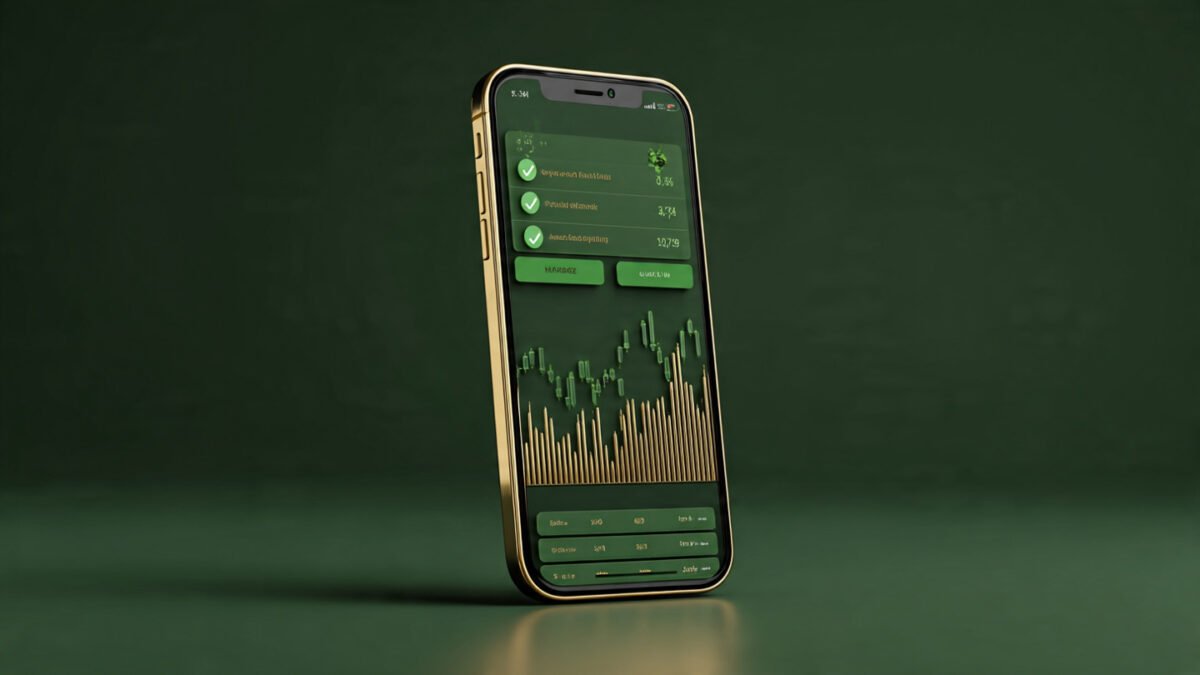
Step 2: Screen with Zoya
Zoya gives a green, yellow, or red status. Green means compliant. Yellow means doubtful. Red means non-compliant. It also shows why it failed and the purification amount.
Step 3: Double-check with Musaffa
Musaffa shows the exact ratios and which board’s methodology it follows. If both agree, I buy. If they disagree, I read the latest 10-K report myself.
This whole process takes me 20 minutes for 10 stocks. In 2024 I made the mistake of buying a REIT without checking. It had 40% debt. I lost 15% and had to sell at a loss. That taught me to never skip screening.
4. The Biggest Mistakes I Made as a Beginner
Let me share 3 mistakes so you don’t repeat them:
Mistake 1: Trusting random YouTube lists
A stock that’s halal in January might become haram in April if it takes on new debt. Always check before you buy.
Mistake 2: Ignoring ETFs
I thought buying S&P 500 ETF VOO was safe. But 12% of VOO is in banks and financials. That’s haram exposure. Now I use halal ETFs like SPUS and HLAL.
Mistake 3: Forgetting purification
I ignored the 1.5% impure income for 6 months. Later I calculated and donated the full amount. It felt bad, but it gave me peace. Now I set an automatic monthly donation.
5. Best Halal ETFs and Stocks in 2026
If you want to keep it simple, start with ETFs. These are fully screened by Shariah boards:
US Market:
- SPUS: S&P 500 Shariah ETF by Wahed. 0.49% expense ratio.
- HLAL: S&P 500 Shariah ETF by Wahed. Similar to SPUS.
- ISDL: MSCI USA Islamic ETF.
Global Market:
- ISDU.L: iShares MSCI World Islamic UCITS ETF. Covers 23 developed countries.
- SPRE: S&P Global REIT Shariah ETF, but check if it’s still compliant this quarter.
Individual Stocks that often pass screening:
- Technology: Apple, Microsoft, Nvidia, AMD
- Healthcare: Johnson & Johnson, Eli Lilly, UnitedHealth
- Consumer Defensive: Procter & Gamble, Nestle
But remember, ratios change every quarter. Always recheck before buying.
6. What About Crypto, Forex, and Day Trading?
Quick note: Most scholars consider crypto like Bitcoin as doubtful due to high speculation and lack of intrinsic value. Forex day trading with leverage is haram because of riba and gharar.
Stick to long-term investing in real businesses. That’s what Shariah scholars recommend.
7. My 4-Year Journey in Simple Words
When I started in 2021, I had zero knowledge. I bought Tesla because everyone was talking about it. Later I found out Tesla had 1.2% impure income from interest. I panicked and sold at a loss.
In 2022 I discovered Zoya app. That changed everything. I started screening every stock before buying.
In 2023 I built my first halal portfolio: 60% SPUS, 30% individual tech stocks, 10% healthcare.
Now in 2026, my portfolio is 100% screened, and I donate purification every quarter. The returns are not as high as some haram portfolios, but I sleep better at night. For me, that’s worth more than money.
8. Tools You Need Right Now
- Zoya: Best for beginners. Free plan for 10 stocks/month. Mobile app is smooth.
- Musaffa: Best for deep analysis. Shows exact ratios and sources.
- Islamicly: Best for checking ETFs.
- Yahoo Finance: Free, but you have to calculate ratios yourself.
Conclusion
Checking if a stock is halal is not complicated once you know the process. Check the business, check the ratios, purify the small impurities, and you’re good.
Islamic investing is growing fast in 2026. Over $3 trillion is now managed under Shariah principles globally, according to Refinitiv. You don’t need to miss out because of fear or confusion.
Start small. Pick 5 companies, run them through Zoya, and see how many pass. You’ll learn faster than reading 10 books.
May Allah bless your wealth and keep it halal. Ameen.
FAQ – Shariah Compliant Investing
1. Shariah compliant investing ka matlab kya hai?
Iska matlab hai apna paisa sirf un businesses aur financial products mein lagana jo Islamic rules ke mutabiq hon. Koi interest, jua, ya haram business nahi hona chahiye. Profit real business se aana chahiye, speculation se nahi.
2. Kya Shariah investing mein return kam milta hai?
Nahi. Data dikhata hai ke Shariah indices jaise S&P 500 Shariah ka performance regular S&P 500 ke jaisa hi raha hai 10 saal mein. Kabhi kabhi behtar bhi rehta hai kyunki isme debt-heavy aur financial stocks kam hote hain.
3. Mujhe kaise pata chalega ke koi stock halal hai ya nahi?
Aap khud balance sheet nahi check karoge. Apps aur websites use karo jaise Zoya, Musaffa, IdealRatings. Ye stocks ko screen karke batati hain ke halal, haram, ya doubtful hai. Halal ETFs bhi hain jo pre-screened hote hain.
4. Kya ETFs halal ho sakti hain?
Haan. HLAL, SPUS, WAED jaise ETFs hain jo sirf Shariah compliant companies mein invest karti hain. Ye new logon ke liye sabse aasan option hain kyunki diversification mil jati hai bina har stock check kiye.
5. Crypto halal hai ya haram?
Scholars mein ikhtilaf hai. Bitcoin ko kuch scholars halal kehte hain, kuch doubtful. Ethereum, staking coins, aur stablecoins zyada tar doubtful ya haram maane jate hain. Agar invest karna ho to sirf choti amount rakho aur Shariah board ki review dekho.
6. Purification kya hoti hai aur kyu karni padti hai?
Kuch halal companies ke revenue mein 1-2% interest ya impure income aa jati hai. Shariah board isse allow karti hai lekin shart ye hai ke utna amount charity mein de do. Isse kehte hain purification. Zyada ETFs ye amount khud calculate karke deti hain.
7. Kya main 401k ya regular brokerage use kar sakta hun?
Haan, lekin default funds avoid karo kyunki unme bonds aur interest-based assets hote hain. Apne 401k mein index funds ya Shariah option dhundo. Agar na mile to job chhodne ke baad IRA mein rollover karke halal ETFs kharid sakte ho.
8. Shariah investing shuru karne ke liye kitna paisa chahiye?
Zyada nahi. ETFs $50-$100 se bhi start ho jati hain. Ahm baat consistency hai. Har mahine thoda thoda invest karo, long term socho, aur emotional trading se bacho.
Disclaimer
This article is for informational purposes only and does not constitute financial or Shariah advice. Halal investing rules can vary depending on the scholar and board you follow. Always do your own research and consult a qualified Shariah advisor before making investment decisions. I’m not a financial advisor, and past performance doesn’t guarantee future results.

of sharing practical knowledge so you can invest confidently while staying true to your values. Always verify with a Shariah advisor before investing._