What Is Shariah Compliant Investing? Explained in Simple English
halal investment apps 2026 If you’ve ever looked at the stock market and thought, “This feels a bit… off,” you’re not alone. A lot of Muslims want their money to grow, but not at the cost of their faith. That’s where Shariah compliant investing comes in.
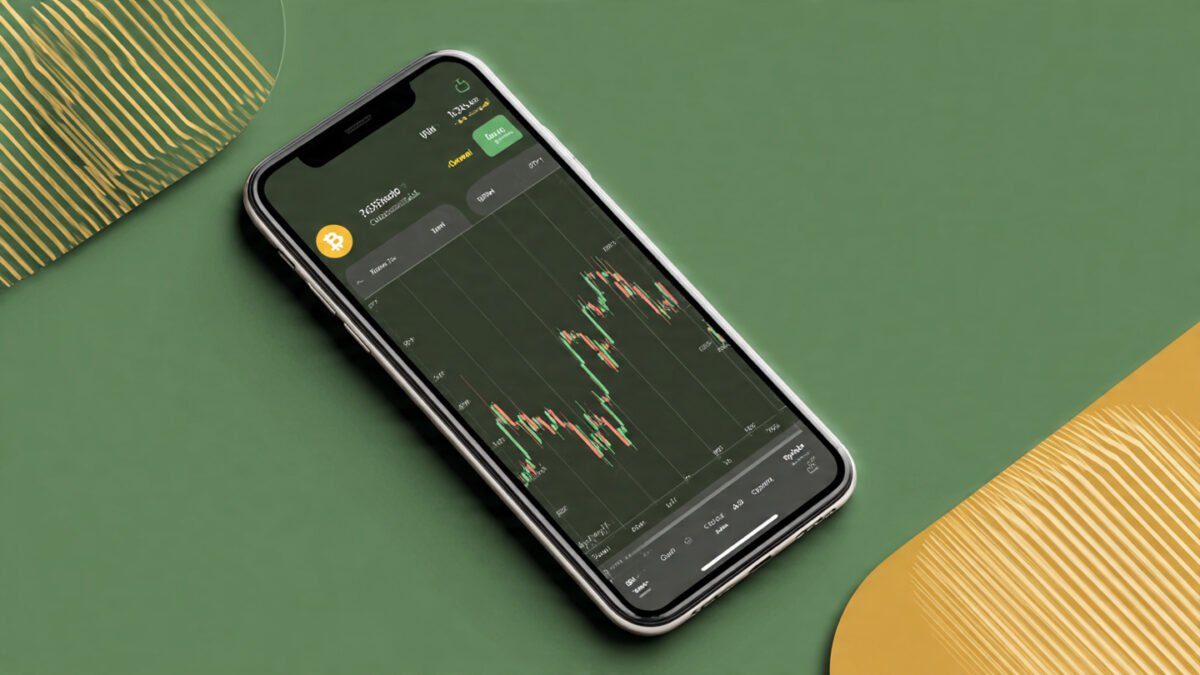
It sounds technical, but the idea is actually pretty simple: invest your money in ways that follow Islamic principles. No interest, no gambling, no shady businesses. Just clean, ethical investing that you can feel good about, both financially and spiritually.
I remember the first time I heard “Shariah compliant investing”. I was 22, sitting with my dad, and I thought it meant “only invest in Islamic banks”. I was so wrong. For 6 months I kept my savings in cash because I was scared of haram. I asked 10 different people and got 10 different answers.
Finally I spent weeks reading fatwas, talking to scholars, and testing small investments myself. That’s when I realized – Shariah investing is simple English, not complicated Arabic. This article is me explaining it to you the way I wish someone explained it to me 8 months ago.
Let’s break it down without the jargon. By the end of this, you’ll know what it is, how it works, and how you can actually start doing it.
1. The Core Idea: Money Shouldn’t Come from Haram
In Islam, wealth is a trust from Allah. How you earn it and grow it matters. The Quran and Sunnah lay out clear rules about trade, profit, and fairness. Shariah compliant investing just applies those rules to modern finance.halal investment apps 2026
Think of it like this: you wouldn’t knowingly sell alcohol or run a casino, right? Shariah investing applies that same filter to every company, bond, and fund you put money into.
The main goals are:
- Fairness: No one should profit by exploiting others.
- Transparency: Deals should be clear, with no hidden tricks.
- Real value: Money should be tied to real assets, services, or businesses. Not just speculation.
It’s not about getting rich slower. It’s about getting rich cleaner.
2. The 3 Big Rules That Make an Investment “Haram” or “Halal”
Every Shariah screening boils down to these three things. If an investment breaks any of these, it’s usually out.
Rule 1: No Riba – No Interest
Riba means any fixed, guaranteed return on money lent out. Interest on loans, bonds, and most savings accounts falls here.
Why? Because Islam sees money as a tool, not a commodity. You can’t just rent out money and collect a fee without doing real work or taking real risk. Profit should come from trade, business, and shared risk, not from the passage of time alone.
That’s why conventional bonds and interest-based savings accounts are off-limits. Instead, Shariah compliant options use profit-sharing, leasing, or asset-backed structures.
Rule 2: No Gharar – No Excessive Uncertainty
Gharar means excessive risk, uncertainty, or deception in a contract. If you’re buying something and you don’t know what you’re getting, that’s gharar.
Classic examples: gambling, insurance with too much ambiguity, and most forms of speculation where you’re betting on price movements without owning the underlying asset. Day trading based purely on charts and rumors often falls here.
Shariah compliant investing focuses on businesses with clear operations, real products, and real revenue. You’re a partial owner, not a gambler.
Rule 3: No Haram Business Activities
Even if a company is profitable and debt-free, it’s a no-go if its main business is haram. The standard list includes:
- Alcohol and tobacco
- Gambling and casinos
- Pork and non-halal meat
- Conventional banking and insurance
- Adult entertainment
- Weapons and defense in some strict interpretations
- Interest-based financial services
Most Shariah screening boards also check for companies that earn more than 5% of revenue from these activities. A small amount of “impure” income is sometimes tolerated, but it has to be purified later through charity.
3. How Do You Actually Check if a Stock is Halal?
You can’t just guess. That’s where Shariah screening comes in. There are two levels: business screening and financial screening.
Business Screening
Analysts look at what the company actually does. Does it sell alcohol? Run a casino? Provide interest-based loans? If yes, it’s out. Data for this comes from annual reports, company websites, and direct outreach to the company.
Financial Screening
This checks the company’s balance sheet. Even if the business is halal, too much debt or interest income makes it non-compliant. Common thresholds used by boards like AAOIFI and S&P Shariah are:
- Debt to market cap < 33%
- Cash + interest-bearing securities to market cap < 33%
- Accounts receivable to market cap < 49%
- Impure income to total revenue < 5%
If a company passes both, it gets labeled “Shariah compliant.” That’s how you get indices like the Dow Jones Islamic Market Index or funds like the iShares MSCI USA Islamic ETF.
You don’t have to do this yourself. Websites like Zoya, Musaffa, and Ideal Ratings let you check stocks in seconds. They do the screening so you don’t have to read 200-page annual reports.halal investment apps 2026
4. What Can You Invest In That’s Shariah Compliant?
Good news: you have more options than you think. It’s not just gold and real estate anymore.
1. Shariah Compliant Stocks
Thousands of individual stocks pass screening. Tech companies like Apple, Microsoft, and Nvidia often pass. So do healthcare firms, industrials, and consumer goods companies. You just have to check each one.
When you buy a share, you own a tiny piece of a real business. That fits perfectly with Islamic principles of ownership and risk-sharing.
2. Shariah Compliant ETFs and Mutual Funds
This is the easiest route for most people. An ETF pools money and invests in a pre-screened list of halal stocks. You get diversification without doing the homework.
Examples:
- iShares MSCI USA Islamic ETF [ISUS]
- Wahed FTSE USA Shariah ETF [HLAL]
- SP Funds S&P 500 Shariah ETF [SPUS]
They charge a small management fee, usually 0.5% or less. Some also do “purification” for you, calculating the tiny amount of impure income and telling you how much to donate.
3. Sukuk
Think of sukuk as the halal version of bonds. Instead of lending money for interest, you buy a share of an asset and earn profit from its use. For example, a sukuk might represent ownership of a building, and you get a share of the rental income.
Governments and big companies issue sukuk regularly. They’re lower risk than stocks but usually lower return too.
4. Real Estate and Private Business
Direct ownership of property for rental income is 100% Shariah compliant as long as the property isn’t used for haram purposes. Private equity and small business investment also work well, because you’re sharing profit and loss directly.
5. Commodities
Gold, silver, and other commodities can be traded if it’s spot trading with actual delivery. Most forex and futures trading doesn’t qualify because of gharar and riba.
5. What About Crypto?

This is the question everyone asks. The short answer: it depends who you ask.
Some scholars say Bitcoin is halal because it’s a decentralized asset with no debt or interest. Others say it’s too speculative and lacks intrinsic value, making it haram.
Most screening boards have only recently started rating crypto. Ethereum is often marked “doubtful” because of its staking mechanism. Stablecoins pegged to USD are usually haram because they’re tied to interest-based systems.
If you want to stay safe, treat crypto as high-risk and keep it a small part of your portfolio. And only invest in coins that have been reviewed by a reputable Shariah board.
6. Purification: Cleaning Up the Small Stuff
Even the cleanest companies sometimes earn a tiny bit of interest from parked cash. Maybe 0.5% of revenue. Shariah boards allow this as long as it’s below the threshold.
But you can’t keep that money. It has to be “purified” by giving it to charity. Most halal ETFs calculate this for you and publish an annual purification amount per share.
It’s usually small. On a $10,000 investment, you might donate $15 to $30 per year. It’s not a big deal financially, but it matters spiritually.
7. Common Myths About Shariah Investing
Let’s clear up some confusion, because there’s a lot of it.
Myth 1: “Halal investing has lower returns.”
Not true. The S&P 500 Shariah index has performed almost identically to the regular S&P 500 over the last 10 years. Sometimes it does better, because it avoids debt-heavy and financial stocks that crash hard in recessions.
Myth 2: “It’s only for Muslims.”
Nope. A lot of non-Muslims invest in Shariah funds because they want ethical, low-debt companies. ESG investors often overlap with Shariah investors for that reason.
Myth 3: “You can’t diversify.”
Wrong again. There are halal ETFs covering US stocks, global stocks, tech, healthcare, and even global sukuk. You can build a full portfolio without touching anything haram.
Myth 4: “It’s too complicated.”
It used to be. Now apps like Zoya, Wahed, and Halal Investing let you see halal status, buy ETFs, and track purification in one place. It’s easier than ever.
8. How to Start in 4 Simple Steps
You don’t need $10,000 and a financial advisor. Here’s how a normal person starts:
Step 1: Decide your goal
Retirement? House down payment? Child’s education? Your timeline decides how much risk you can take. Longer timeline = more stocks, less sukuk.
Step 2: Choose a platform
If you want control, use a regular brokerage like Fidelity, Interactive Brokers, or eToro, then screen stocks with Zoya or Musaffa.
If you want hands-off, use a robo-advisor like Wahed or SP Funds. They build and manage a halal portfolio for you.
Step 3: Pick your investments
Start simple. One broad market ETF like HLAL or SPUS gives you exposure to 200+ US companies. Add international exposure later with a global Shariah ETF.
Step 4: Set up purification
Check if your fund provides a purification report. If not, calculate it yourself. It’s usually 0.1% to 0.3% of your dividends. Donate that amount to a charity of your choice. Don’t use it for personal benefit.
9. Risks You Still Need to Know
Shariah compliant doesn’t mean risk-free. You’re still investing in the stock market. Prices go up and down. Companies go bankrupt.
The difference is the type of risk. You’re taking business risk, not interest risk or gambling risk. That’s considered more ethical, but it’s still real risk.
Never invest money you need in the next 2-3 years. And don’t put all your money in one stock or one country. Diversify, even within halal options.
10. Why This Matters Beyond Money
Here’s the part people don’t talk about enough.
When you invest the halal way, you’re voting with your money. Every dollar you put into a clean company is a dollar not going to a casino or a payday lender. Over time, that shifts capital toward businesses that create real value.
It also changes how you think about money. You stop chasing quick wins and start thinking long-term. You care about what the company actually does, not just the ticker symbol. That mindset alone makes you a better investor.
And yeah, there’s peace of mind. Knowing your portfolio won’t keep you up at night because of something haram in it? That’s worth a lot.
11. Quick FAQ
Q: Can I use Robinhood for Shariah investing?
Yes, but Robinhood doesn’t screen for you. You’d buy ETFs like HLAL or SPUS, or individual stocks after checking them on Zoya.
Q: Is a 401k halal?
Most 401k plans aren’t automatically halal because they default to target-date funds with bonds. But many plans let you choose individual funds. Look for an S&P 500 index fund or see if your employer offers a Shariah option. If not, you can roll over to an IRA after leaving the job.
Q: What about dividends?
Dividends from halal companies are halal. Just remember to purify the small portion of dividend that comes from impure income.
Q: Do I need a scholar to approve every trade?
No. Use screening tools and funds certified by recognized Shariah boards like AAOIFI, S&P Shariah, or Amanie Advisors. If you’re doing large or complex deals, then yes, consult a scholar.
12. Final Thoughts: Keep It Simple and Consistent
Shariah compliant investing isn’t about finding a secret halal stock that will 10x next month. It’s about building wealth slowly, ethically, and without compromising your values.
Start small. Use ETFs if you’re new. Check the halal status before you buy. Set up automatic investing so you don’t get emotional. And purify your dividends once a year. That’s it.
Your money is an amanah. Treat it that way, and it will barakah in ways returns alone never can.
If you want, drop your country and investment budget in the comments and I’ll suggest a simple halal portfolio to start with. No fluff, just practical steps.
Disclaimer:
This article is for educational purposes only. The information provided is based on Shariah and financial sources, but I am not a certified Shariah scholar or financial adviser.
Every individual’s financial situation is different. Before making any investment decision, please consult your local Shariah scholar and a qualified financial advisor.
We are not responsible for any loss or profit resulting from actions taken based on this content. All investments carry risk, so do your own research.

My journey:
I learned this the hard way so you don’t have to. I am not a scholar, just a Muslim who made all the beginner mistakes for you.

of sharing practical knowledge so you can invest confidently while staying true to your values. Always verify with a Shariah advisor before investing._