
Introduction
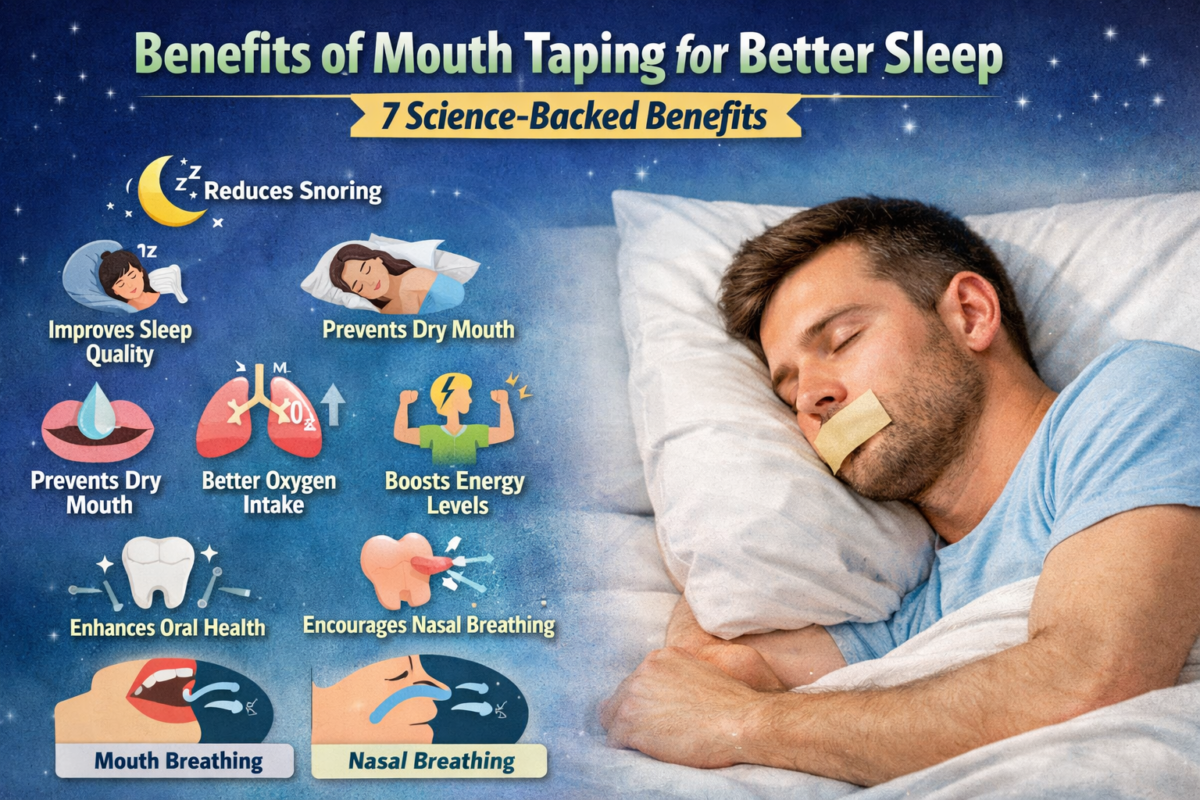
Mouth Taping for Better Sleep
Quality sleep is one of the most important factors for maintaining good health, yet millions of people struggle with poor sleep every night. Problems such as snoring, dry mouth, fatigue, and restless sleep are often linked to one common habit: mouth breathing during sleep. When people breathe through their mouths instead of their noses while sleeping, it can negatively affect sleep quality and overall health.
In recent years, mouth taping for sleep has become a popular wellness trend. Many sleep experts and health enthusiasts suggest that gently taping the mouth before bed can encourage nasal breathing, which may improve sleep quality and reduce several nighttime breathing issues.
The concept behind mouth taping is simple. A small piece of skin-safe tape is placed over the lips before sleeping to keep the mouth closed. This encourages the body to breathe through the nose throughout the night. Nasal breathing has many natural advantages because the nose filters, humidifies, and warms the air before it enters the lungs.
Although the idea may seem unusual at first, many people report experiencing better sleep, reduced snoring, improved energy levels, and better overall health after practicing mouth taping. However, it is important to understand both the benefits and precautions before trying this method.
In this article, we will explore the 7 major benefits of mouth taping for better sleep, how it works, and whether it may be the right solution for improving your sleep quality.
What Is Mouth Taping?
Mouth taping is a sleep technique designed to encourage breathing through the nose instead of the mouth during sleep. It involves placing a small piece of medical or specially designed mouth tape across the lips before bedtime.Mouth Taping for Better Sleep
The goal of mouth taping is not to seal the mouth tightly but to gently remind the body to keep the mouth closed while sleeping. This helps promote nasal breathing, which is considered healthier and more efficient than mouth breathing.
During nasal breathing, the nose performs several important functions:
- Filters dust and allergens from the air
- Adds moisture to prevent dryness
- Warms the air before it reaches the lungs
- Helps regulate airflow and oxygen intake
Mouth breathing, on the other hand, can lead to several issues such as snoring, dry mouth, poor sleep quality, and fatigue. By encouraging nasal breathing, mouth taping may help reduce these problems and improve overall sleep.
Why Nasal Breathing Is Important for Sleep
Before understanding the benefits of mouth taping, it is important to know why nasal breathing matters.Mouth Taping for Better Sleep
The nose is designed to be the primary breathing pathway. It produces nitric oxide, a molecule that helps improve oxygen circulation in the body. Nasal breathing also slows down breathing patterns, which can promote relaxation and deeper sleep.
When people breathe through their mouths during sleep, several issues may occur:
- Increased snoring
- Dry mouth and throat
- Disrupted sleep cycles
- Reduced oxygen efficiency
Encouraging nasal breathing through mouth taping can help address these problems and support healthier sleep patterns.Mouth Taping for Better Sleep
7 Benefits of Mouth Taping for Better Sleep
1. Reduces Snoring
One of the most common reasons people try mouth taping is to reduce snoring. Snoring often occurs when air moves through a partially blocked airway during sleep. Mouth breathing can cause the throat tissues to vibrate more, which leads to snoring sounds.
By keeping the mouth closed and encouraging nasal breathing, mouth taping may help stabilize airflow and reduce snoring. Many people notice that their snoring decreases significantly after adopting this technique.Mouth Taping for Better Sleep
For couples and partners, this can also lead to a more peaceful and uninterrupted night of sleep.
2. Improves Sleep Quality
Better breathing leads to better sleep quality. When the body breathes properly through the nose, oxygen intake becomes more efficient, and breathing patterns remain stable throughout the night.
People who practice mouth taping often report:
- Deeper sleep
- Fewer nighttime awakenings
- More refreshing sleep
Improved sleep quality can have a major impact on overall health, mood, and productivity.
3. Prevents Dry Mouth and Sore Throat
Waking up with a dry mouth or sore throat is a common sign of mouth breathing during sleep. When the mouth remains open throughout the night, saliva evaporates, leaving the mouth dry and uncomfortable.
Mouth taping helps keep the mouth closed, which allows the body to maintain natural moisture levels in the mouth and throat.Mouth Taping for Better Sleep
As a result, many people experience:
- Less morning dryness
- Reduced throat irritation
- Improved oral comfort
4. Supports Better Oxygen Intake
Nasal breathing helps regulate airflow and oxygen delivery in the body. The nose produces nitric oxide, which plays a role in improving oxygen absorption and circulation.
When breathing through the mouth, this natural process is bypassed, which may reduce breathing efficiency.
Encouraging nasal breathing through mouth taping can help the body maintain optimal oxygen levels during sleep, which may contribute to better overall health.
5. Promotes Better Oral Health
Mouth breathing can negatively affect oral health. A dry mouth environment allows harmful bacteria to grow more easily, which may increase the risk of:Mouth Taping for Better Sleep
- Cavities
- Gum disease
- Bad breath
By keeping the mouth closed and preserving saliva, mouth taping may help maintain a healthier oral environment.
Saliva plays an important role in protecting teeth and gums, so preventing dryness can support long-term dental health.
6. May Improve Energy Levels
Poor sleep often leads to fatigue, brain fog, and low energy levels during the day. When breathing becomes more efficient during sleep, the body can enter deeper sleep stages more easily.
Many people who use mouth taping report waking up feeling:
- More refreshed
- More alert
- More energetic
Better sleep can improve productivity, mood, and cognitive performance throughout the day.
7. Encourages Healthy Breathing Habits
One of the long-term benefits of mouth taping is that it can help train the body to develop healthier breathing habits.
Over time, the body may naturally adapt to nasal breathing, even without tape. This can improve breathing patterns not only during sleep but also during daily activities such as exercise and relaxation.
Developing proper breathing habits can support long-term respiratory health and overall well-being.
How to Use Mouth Tape Safely
If you are interested in trying mouth taping, it is important to follow safe practices.
Here are some basic guidelines:
Choose the Right Tape
Use skin-safe medical tape or specially designed mouth tape made for sleep. Avoid strong adhesive tapes that may irritate the skin.
Start Gradually
If you are new to mouth taping, start by wearing it for short periods to become comfortable with the sensation.
Ensure Nasal Passages Are Clear
Before using mouth tape, make sure your nose is not blocked due to allergies, congestion, or a cold.
Keep the Tape Gentle
The tape should gently hold the lips together rather than sealing the mouth completely.
Who Should Avoid Mouth Taping?
Although mouth taping can be beneficial for many people, it is not suitable for everyone.
You should consult a healthcare professional before trying mouth taping if you have:
- Sleep apnea
- Severe nasal congestion
- Breathing disorders
- Obesity-related breathing issues
People with these conditions may require professional medical treatment rather than self-care techniques.Mouth Taping for Better Sleep
Potential Risks of Mouth Taping
While mouth taping is generally safe when done correctly, there are some potential risks.
Possible concerns include:
- Skin irritation from adhesive tape
- Difficulty breathing if the nose becomes blocked
- Anxiety for people uncomfortable with restricted mouth movement
Using proper products and following safety guidelines can help minimise these risks.Mouth Taping for Better Sleep
Final Thoughts
Mouth taping has become an increasingly popular technique for improving sleep quality and promoting healthier breathing habits. By encouraging nasal breathing during sleep, it may help reduce snoring, prevent dry mouth, support oxygen intake, and improve overall sleep quality.
Although the concept may seem unusual at first, many people have reported positive results after incorporating mouth taping into their nighttime routine. However, it is important to approach this practice carefully and ensure that it is suitable for your individual health condition.
If used safely and responsibly, mouth taping may serve as a simple and affordable strategy for enhancing sleep and supporting long-term health. As with any wellness practice, consulting a healthcare professional can help ensure that it is the right choice for you.
Disclaimer
Medical Disclaimer:
The information provided in this article is for educational and informational purposes only and should not be considered medical advice. Mouth taping may not be suitable for everyone, especially individuals with sleep neap, severe nasal congestion, breathing disorders, or other medical conditions. Always consult a qualified healthcare professional before trying mouth taping or making changes to your sleep routine. The author and publisher are not responsible for any health issues or risks that may arise from the use of this technique.
Frequently Asked Questions (FAQs)
| Question | Answer |
|---|---|
| What is mouth taping for sleep? | Mouth taping is a technique where a small piece of skin-safe tape is placed over the lips before sleep to encourage nasal breathing instead of mouth breathing. |
| Is mouth taping safe? | Mouth taping can be safe for healthy individuals when done properly using medical or specially designed mouth tape. However, people with breathing disorders should consult a doctor first. |
| Can mouth taping stop snoring? | Mouth taping may help reduce snoring caused by mouth breathing by encouraging nasal breathing, which stabilizes airflow during sleep. |
| Does mouth taping help with dry mouth? | Yes, mouth taping can help prevent dry mouth because it keeps the mouth closed and maintains natural moisture during sleep. |
| Can mouth taping improve sleep quality? | Many people report better sleep quality, deeper sleep, and improved energy levels when they breathe through the nose instead of the mouth. |
| Who should not try mouth taping? | People with sleep apnea, severe nasal congestion, respiratory disorders, or certain medical conditions should avoid mouth taping unless approved by a doctor. |
| What type of tape should be used for mouth taping? | It is recommended to use skin-safe medical tape or specially designed mouth tape that is gentle on the skin and easy to remove. |

Muhammad Yaqoob is the founder of Global786Trend.com and a passionate health and wellness blogger. He writes about weight loss, healthy lifestyle, diet tips, and fitness. His goal is to provide simple, research-based information to help people improve their daily health habits naturally.